Surgicoll-Mesh®
Soft Tissue Reinforcement
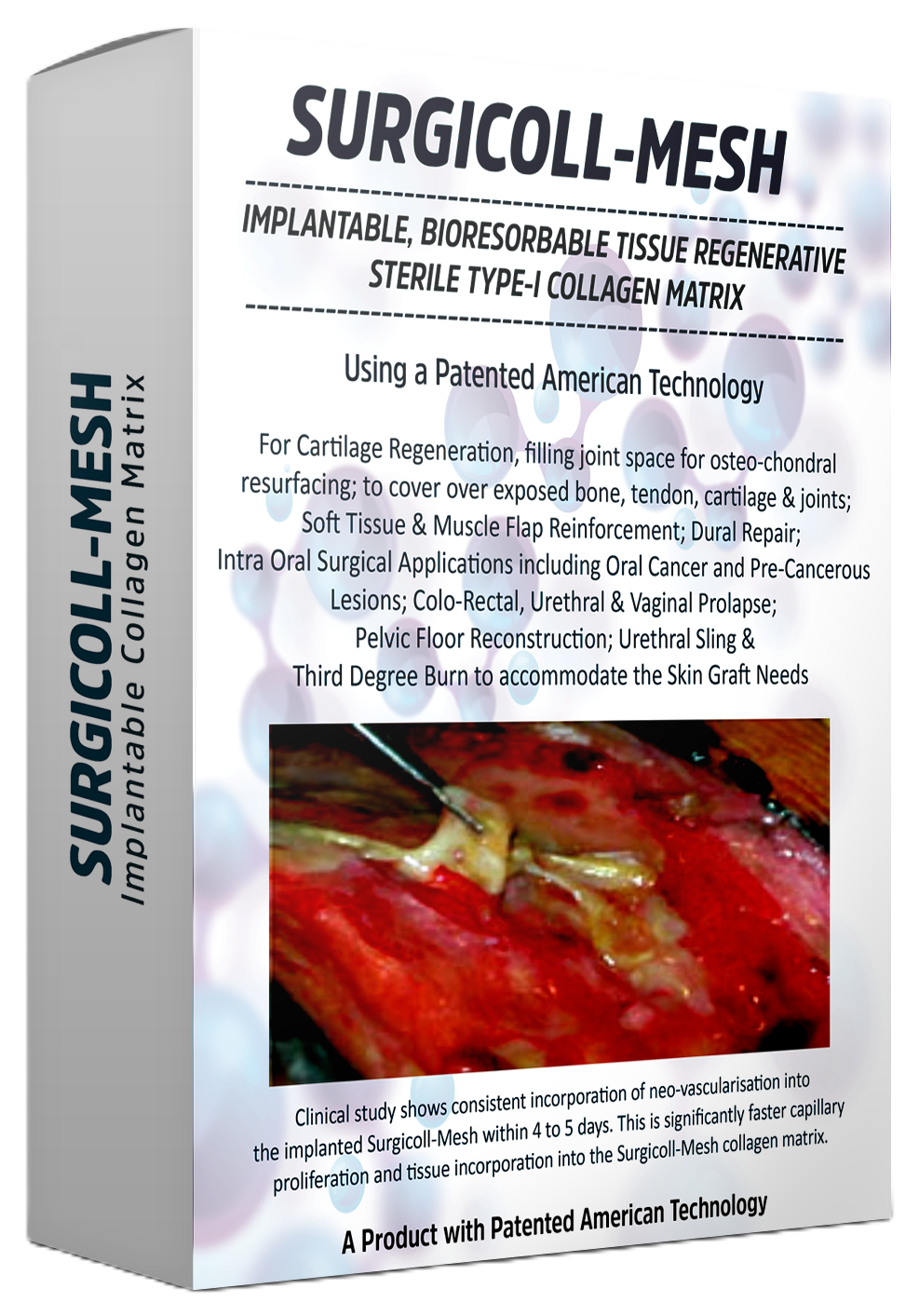
Surgicoll-Mesh® is Implantable, bioresorbable, Advanced tissue regenerative sterile Type-I Collagen Acellular Dermal Matrix designed for hernia repair, pelvic floor repair and reconstructive surgeries.
Soft Tissue Reinforcement
Surgicoll-Mesh® is Implantable, bioresorbable, Advanced tissue regenerative sterile Type-I Collagen Acellular Dermal Matrix designed for hernia repair, pelvic floor repair and reconstructive surgeries.
3 Years
Clinically usable shelf life at room temperature.
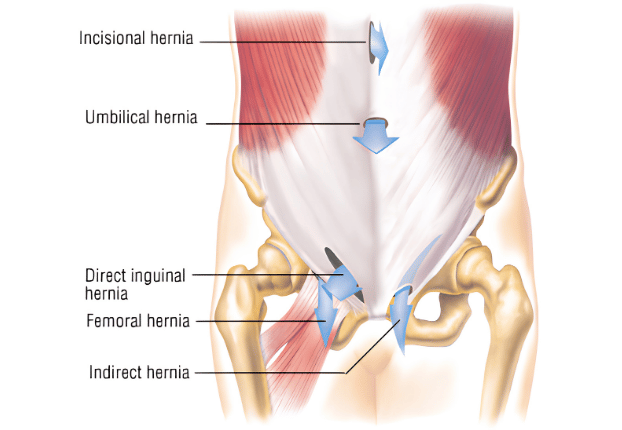
An open incision is made at the hernia site and protruded tissue is pushed back into place. For larger defects, a component separation procedure may free the abdominal wall muscles before Surgicoll-Mesh® is placed to reinforce the damaged site and reduce recurrence. The skin is typically closed with dissolvable stitches and glue.
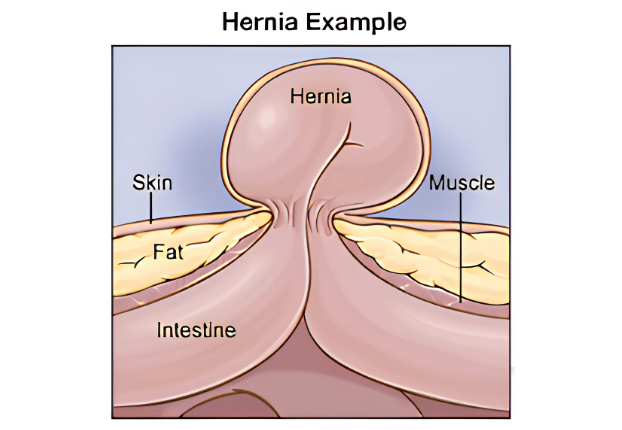
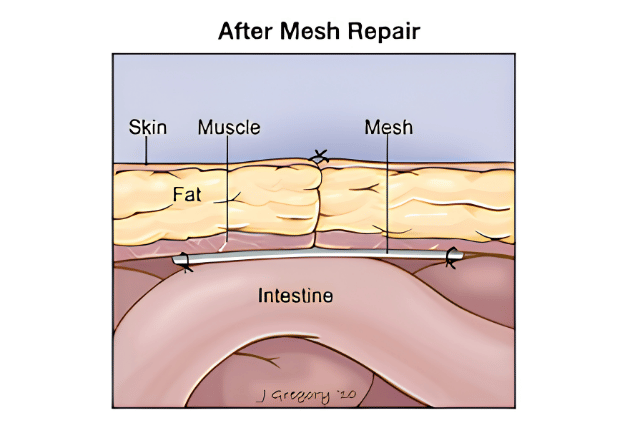
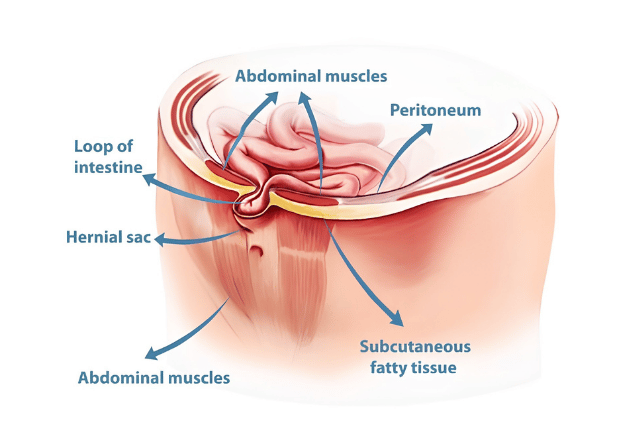
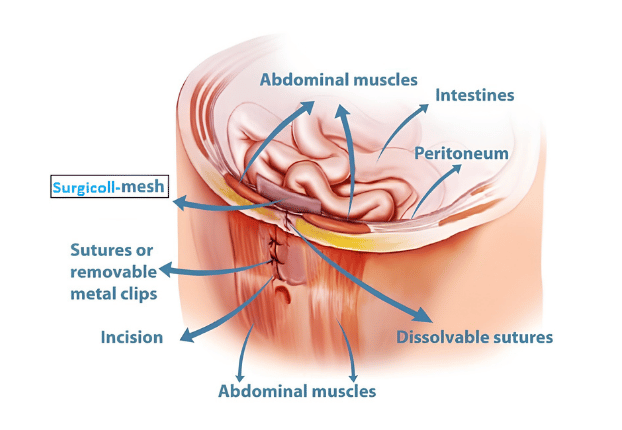
Several small incisions are made away from the hernia site. A laparoscope - a thin, lighted tube with a camera - guides the surgery through one of the openings. Surgicoll-Mesh® may be inserted through the same access points to strengthen the weakened abdominal wall with minimal disruption to surrounding tissue.
An approximate 10-cm incision is made in the groin. Once exposed, the hernia sac is pushed back into the abdominal cavity or excised, and the abdominal wall is then reinforced with Surgicoll-Mesh® to restore structural integrity at the weakened layer.
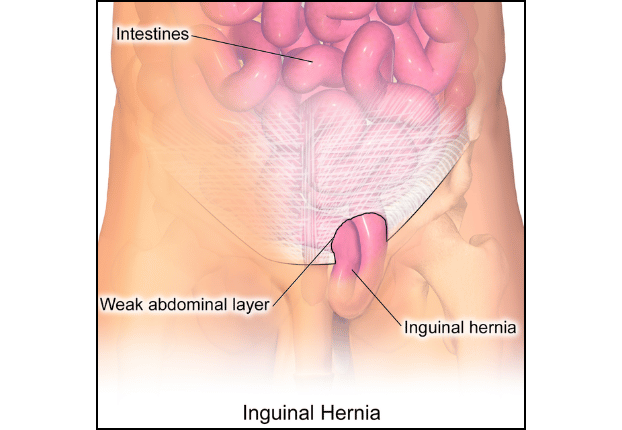
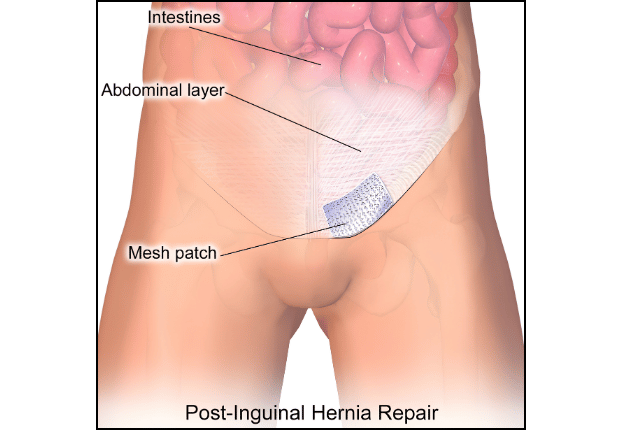
The hernia sac is removed and Surgicoll-Mesh® is placed over the site, attached using sutures to the stronger surrounding tissue. The mesh extends 3 to 4 cm beyond the edges of the hernia, and the umbilicus is fixed back to the muscle — suited to both open and laparoscopic technique.
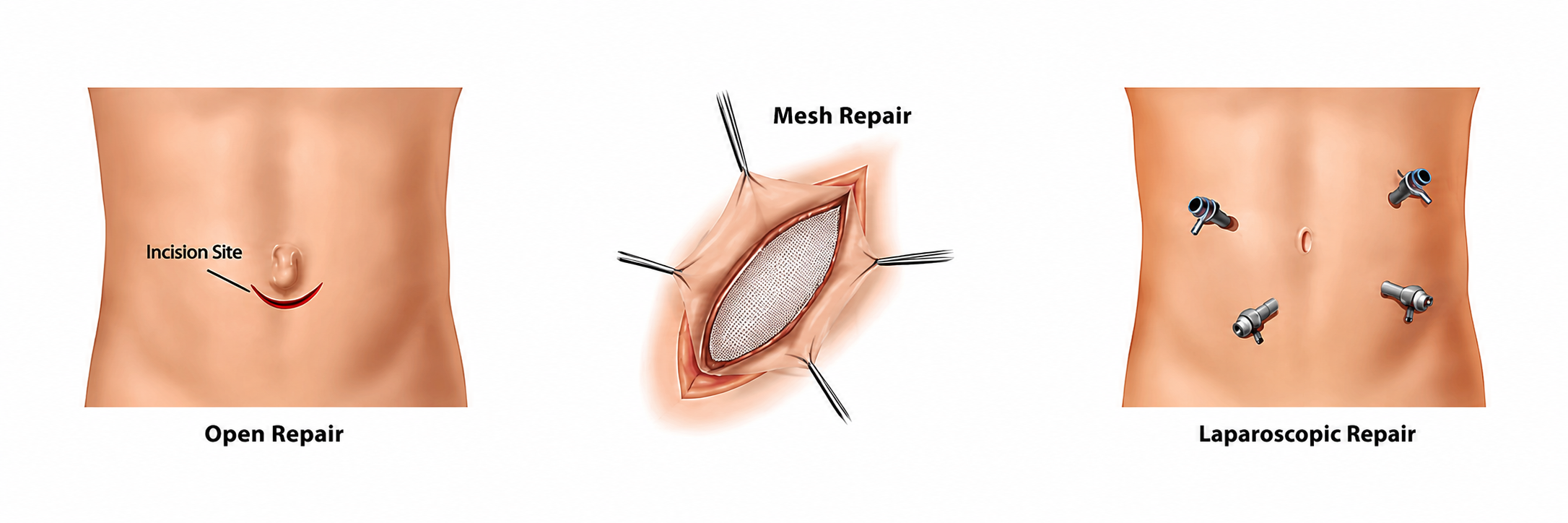
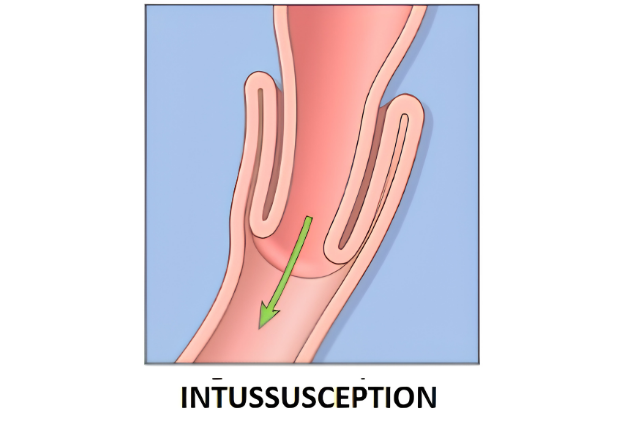
Surgery is the only treatment option. Local or general anesthesia is selected based on the surgical modality, and the procedure follows a two-step sequence to release trapped tissue before the site is rebuilt.
Step 01 — Reduce
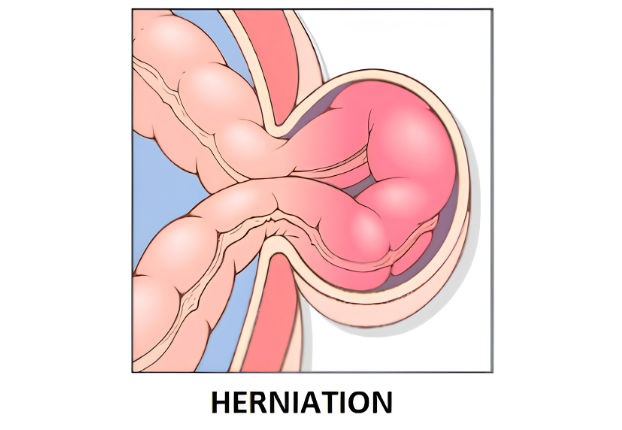
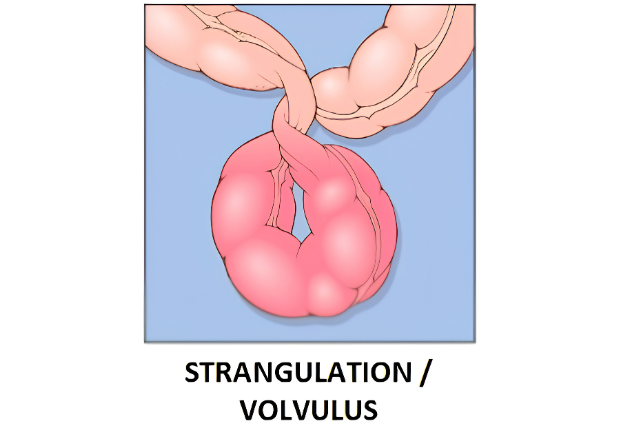
Gentle pressure releases the trapped tissue back into the abdominal cavity, clearing any twist or volvulus.
Step 02 — Repair
The hernia is repaired with Surgicoll-Mesh® to prevent recurrence, manage complications, and strengthen the tissue.
Surgicoll-Mesh® offers superior advantages over other synthetic and biological collagen products for pelvic floor reconstruction including vaginal, urethral, bladder, and rectal prolapse. It acts as a scaffold that can be naturally bioabsorbed and progressively integrated with new host tissue.
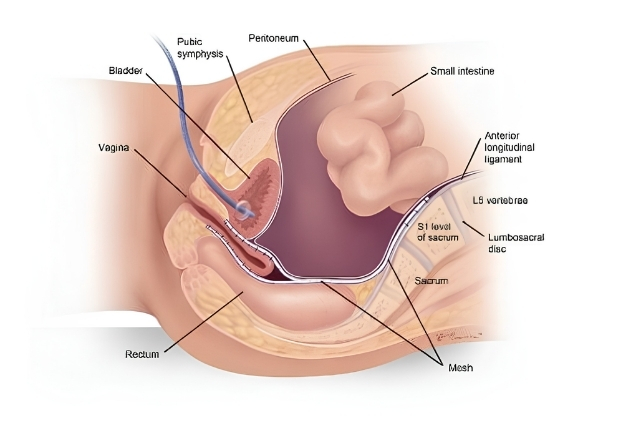
Weak pelvic muscles and ligaments may cause organs to shift and bulge into the vagina. Surgicoll-Mesh® reinforces the weakened vaginal wall and can be implanted through abdominal surgery using mesh support.
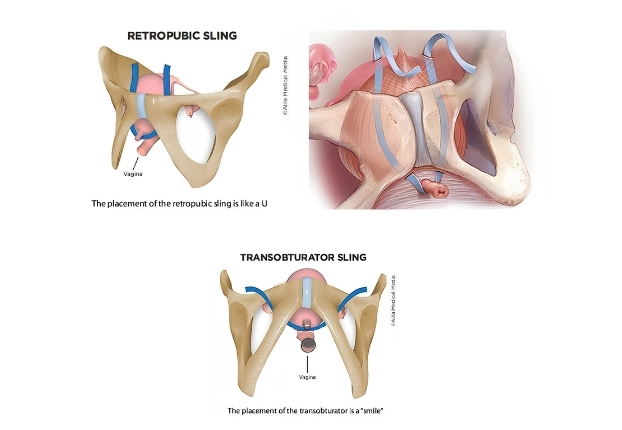
A urethrocele occurs when tissues around the urethra sag downward into the vagina. Surgicoll-Mesh® urethral slings help support the bladder neck and urethra through a midurethral sling procedure.
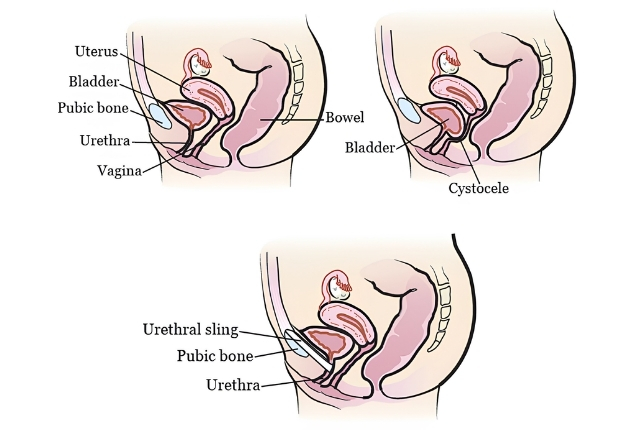
A cystocele occurs when the bladder presses against the vaginal wall. Surgicoll-Mesh® urethral slings help hold the urethra in the correct position for improved support.
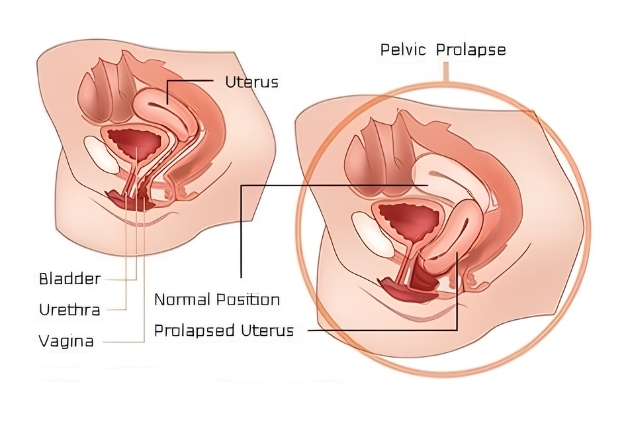
Uterine prolapse happens when pelvic muscles weaken and can no longer support the uterus. Surgicoll-Mesh® helps restore natural support by connecting the uterus to stronger tissue.
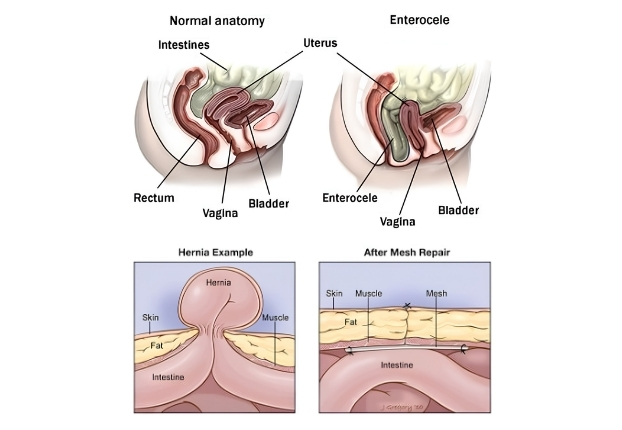
An enterocele occurs when the small bowel bulges into the vaginal wall due to weakened pelvic support tissues. Surgicoll-Mesh® helps reinforce the affected area, providing support and promoting tissue integration.
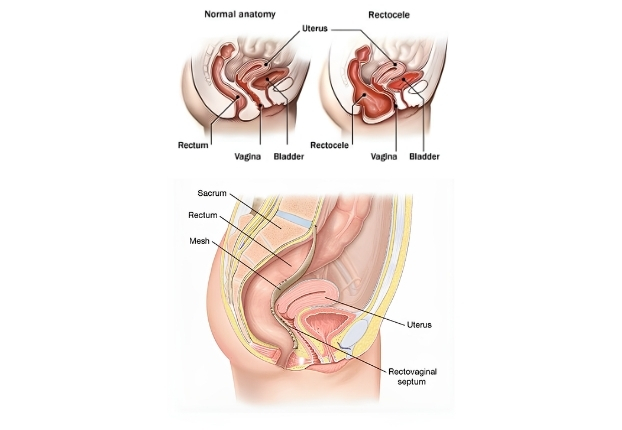
Rectocele is the bulging of the rectum into the vaginal wall. Surgicoll-Mesh® is placed behind the rectum and fixed to the sacrum for enhanced structural support.
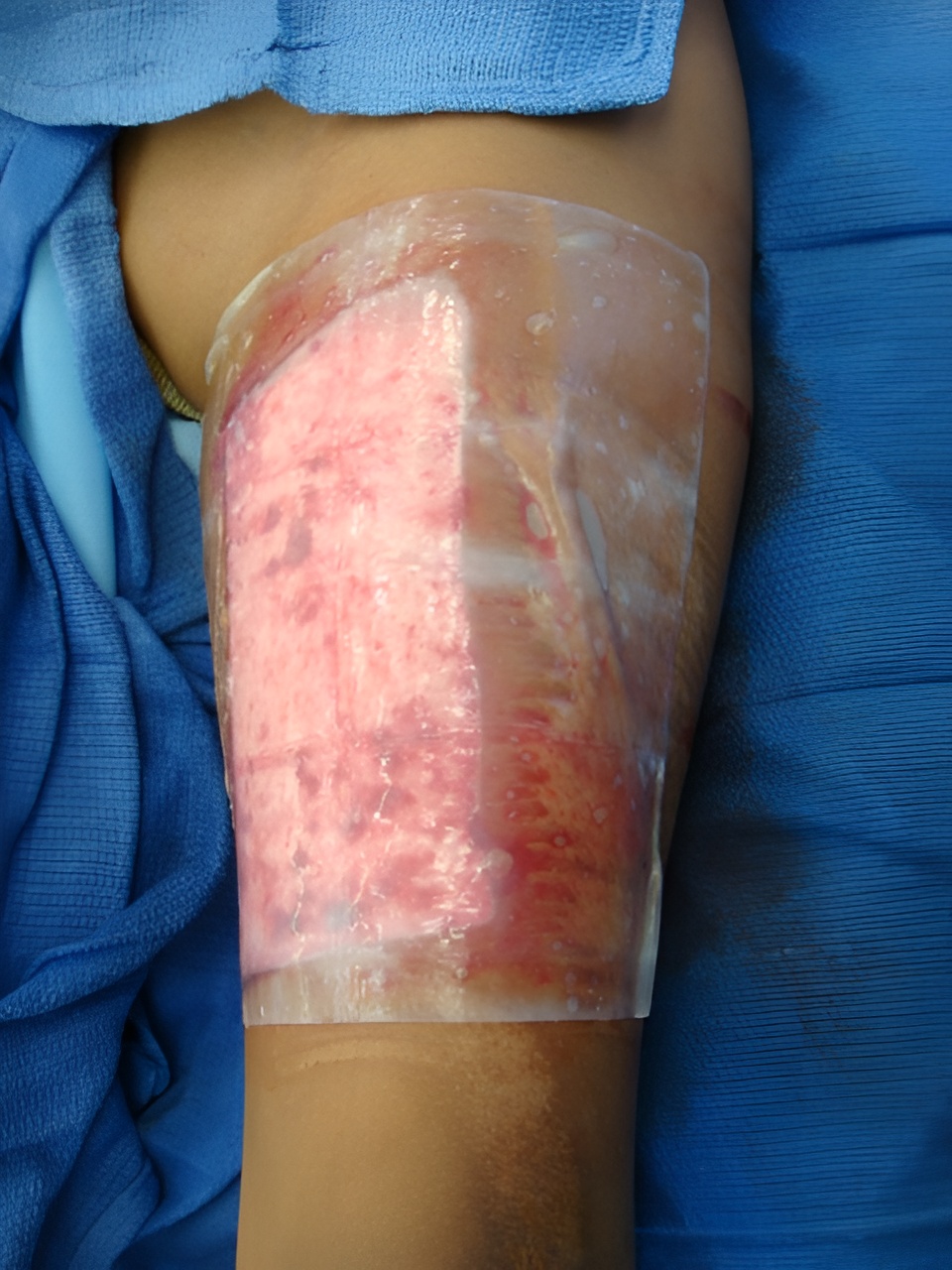
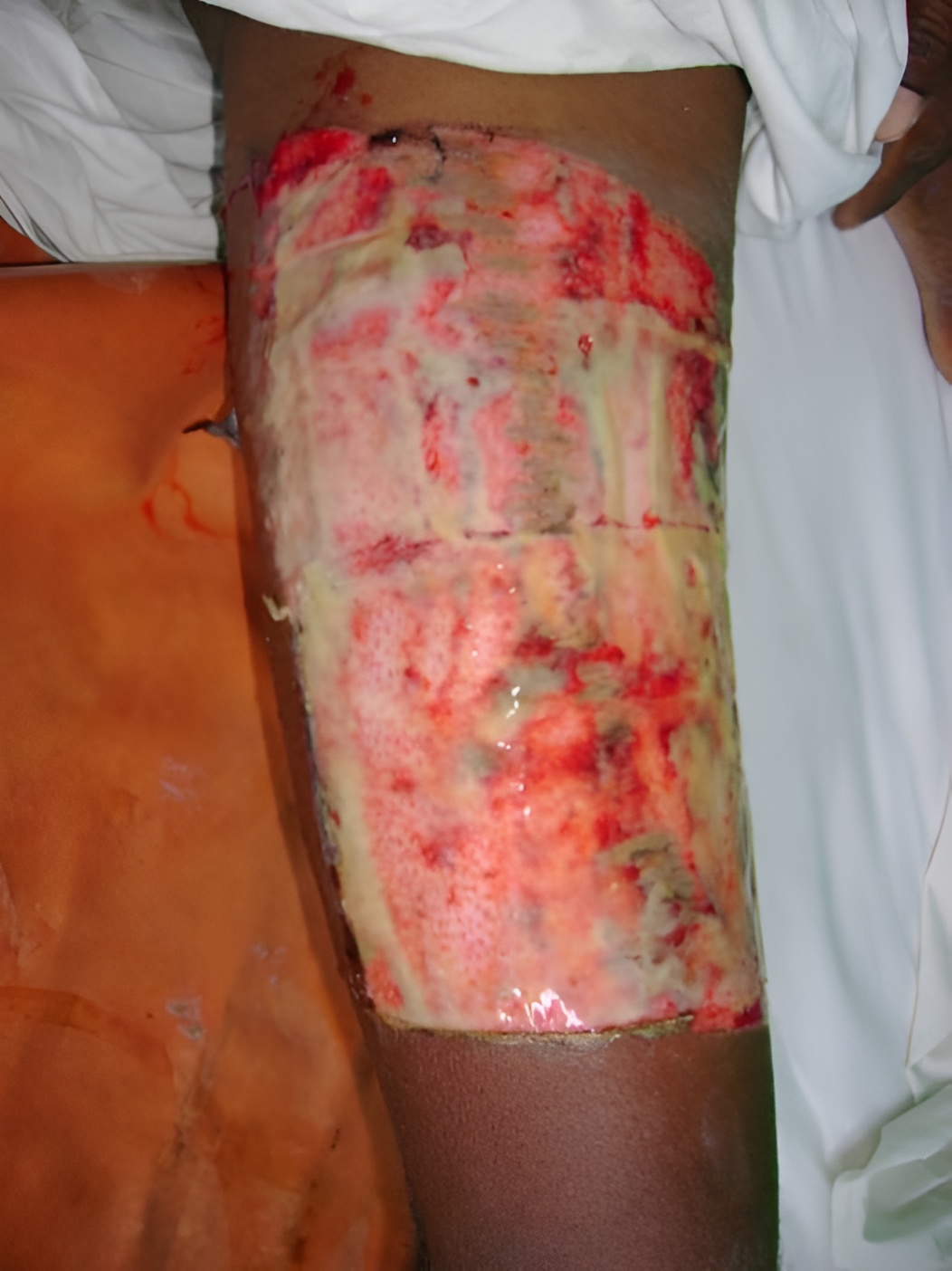
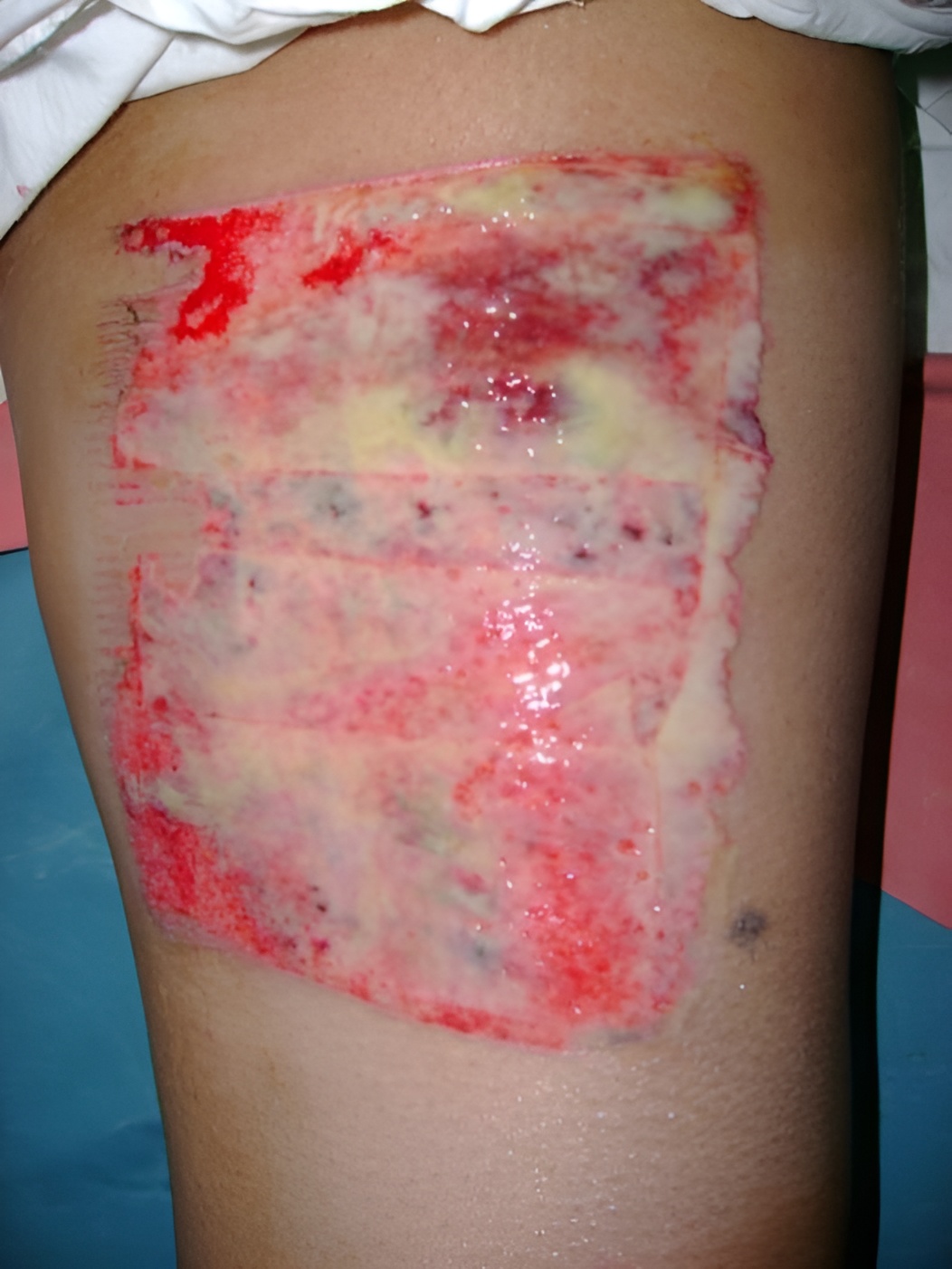
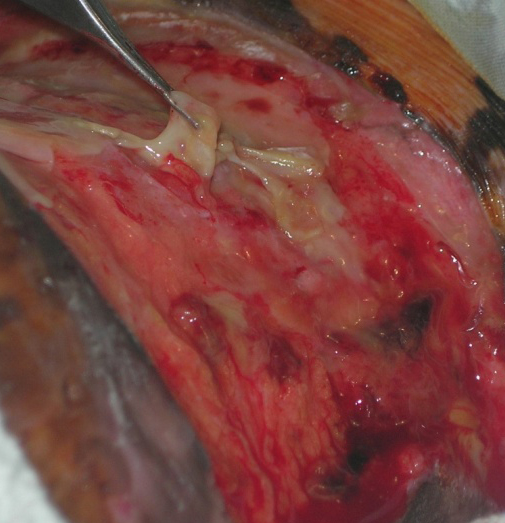
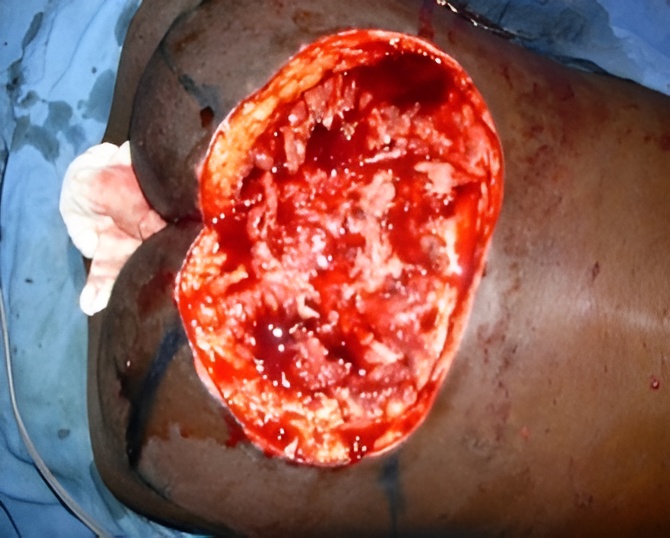
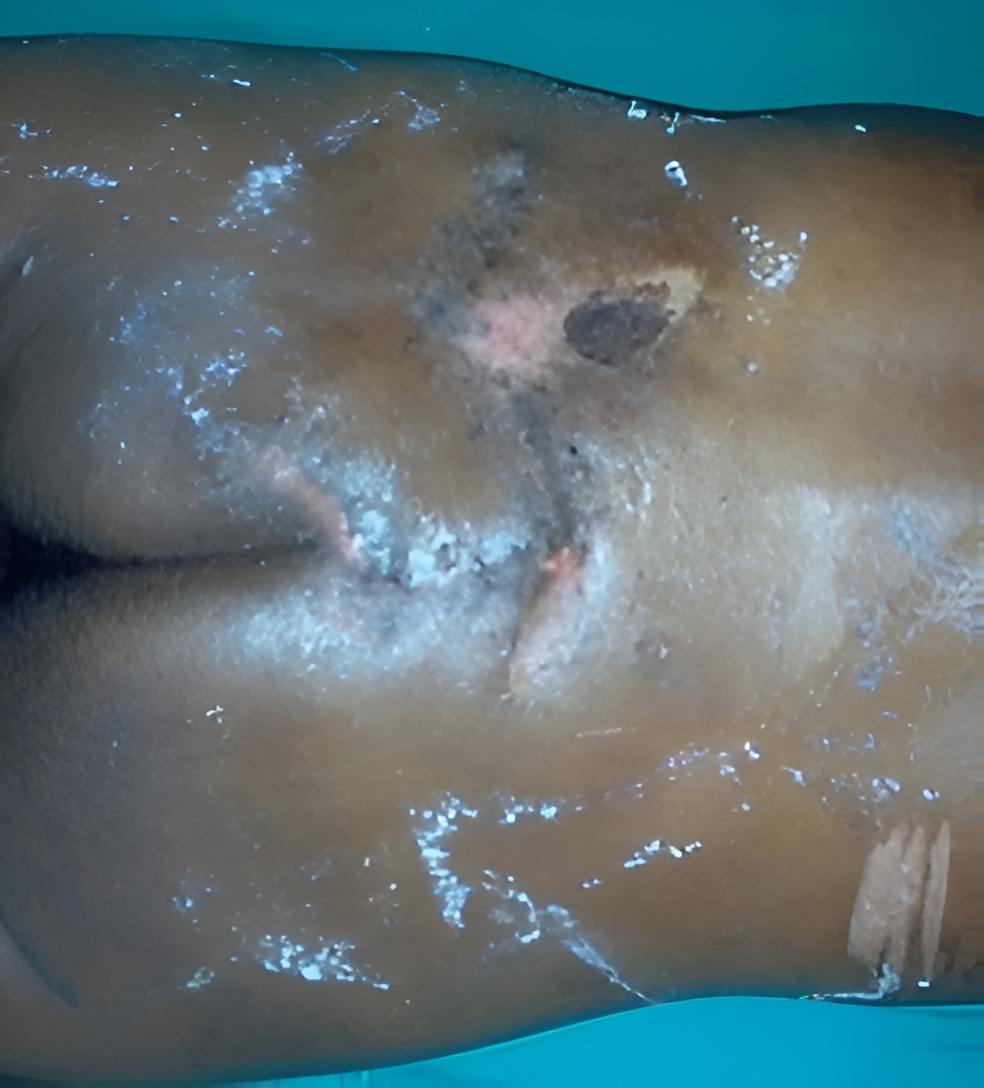
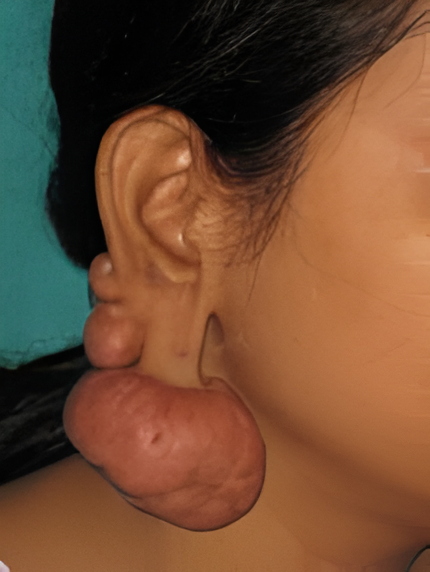
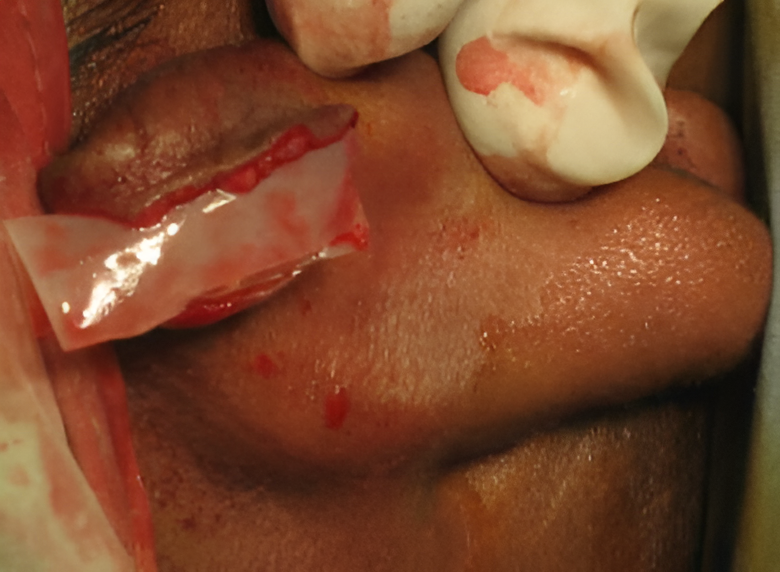
Note: The anatomical site shown in the images is illustrative and may not reflect the actual site of product application. Physicians should exercise their own clinical judgment and professional expertise when using the product.
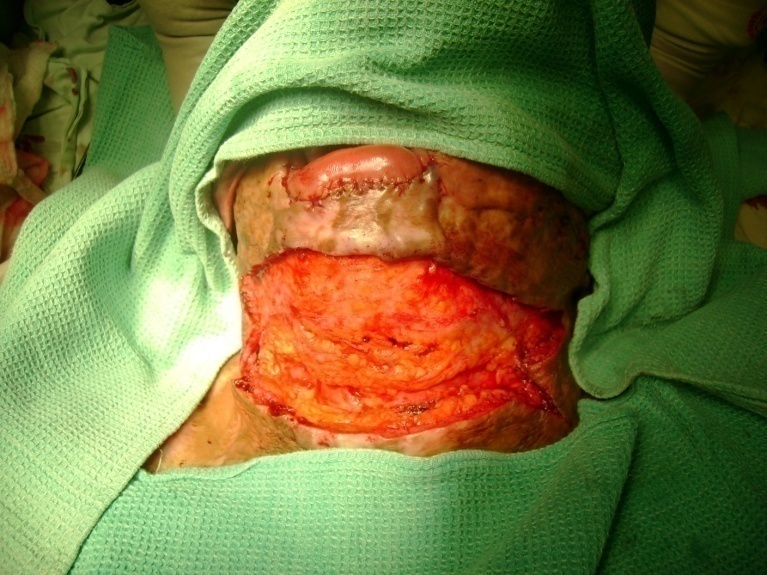
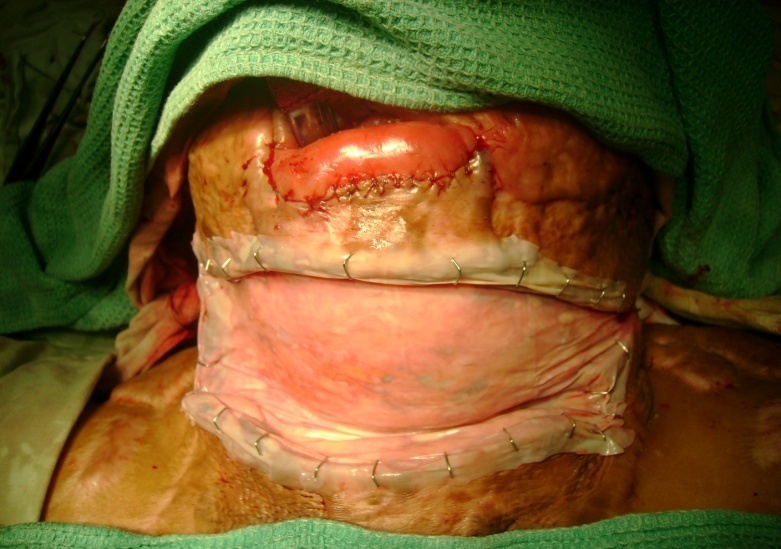
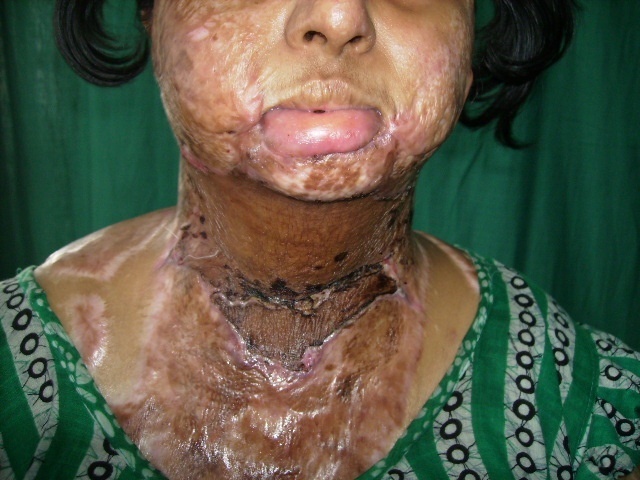
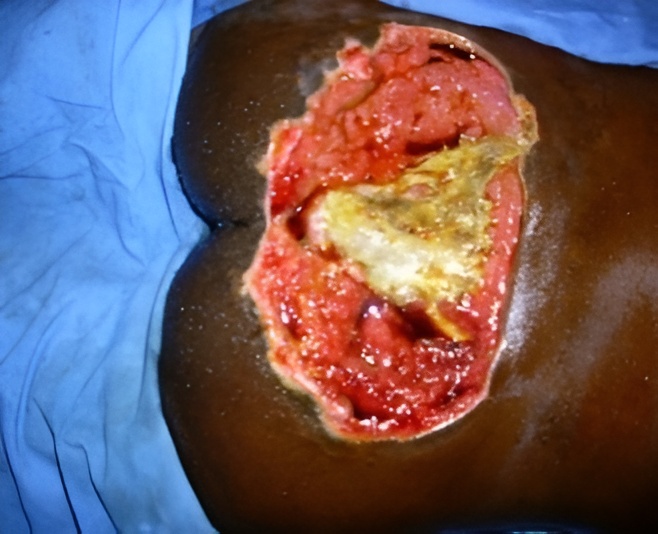
Surgicoll-Mesh® provides faster coverage of exposed bones and joints, often eliminating the need for flap cover through natural tissue regeneration.
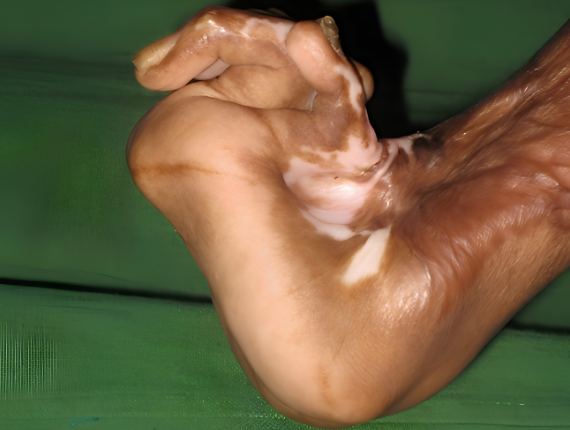
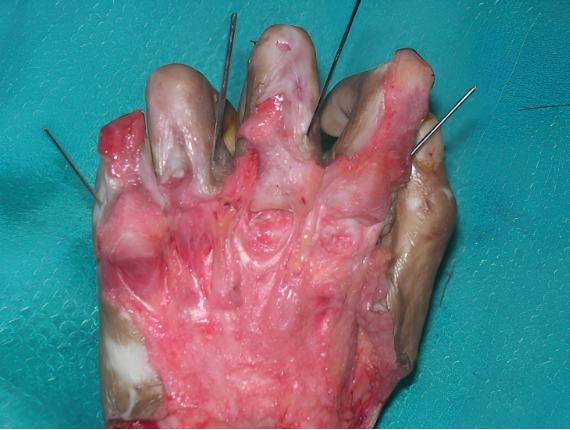
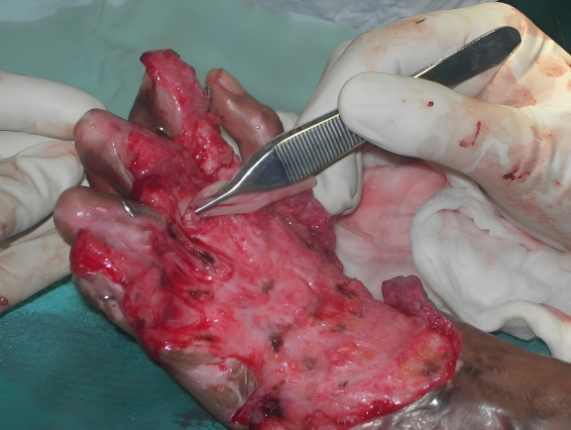
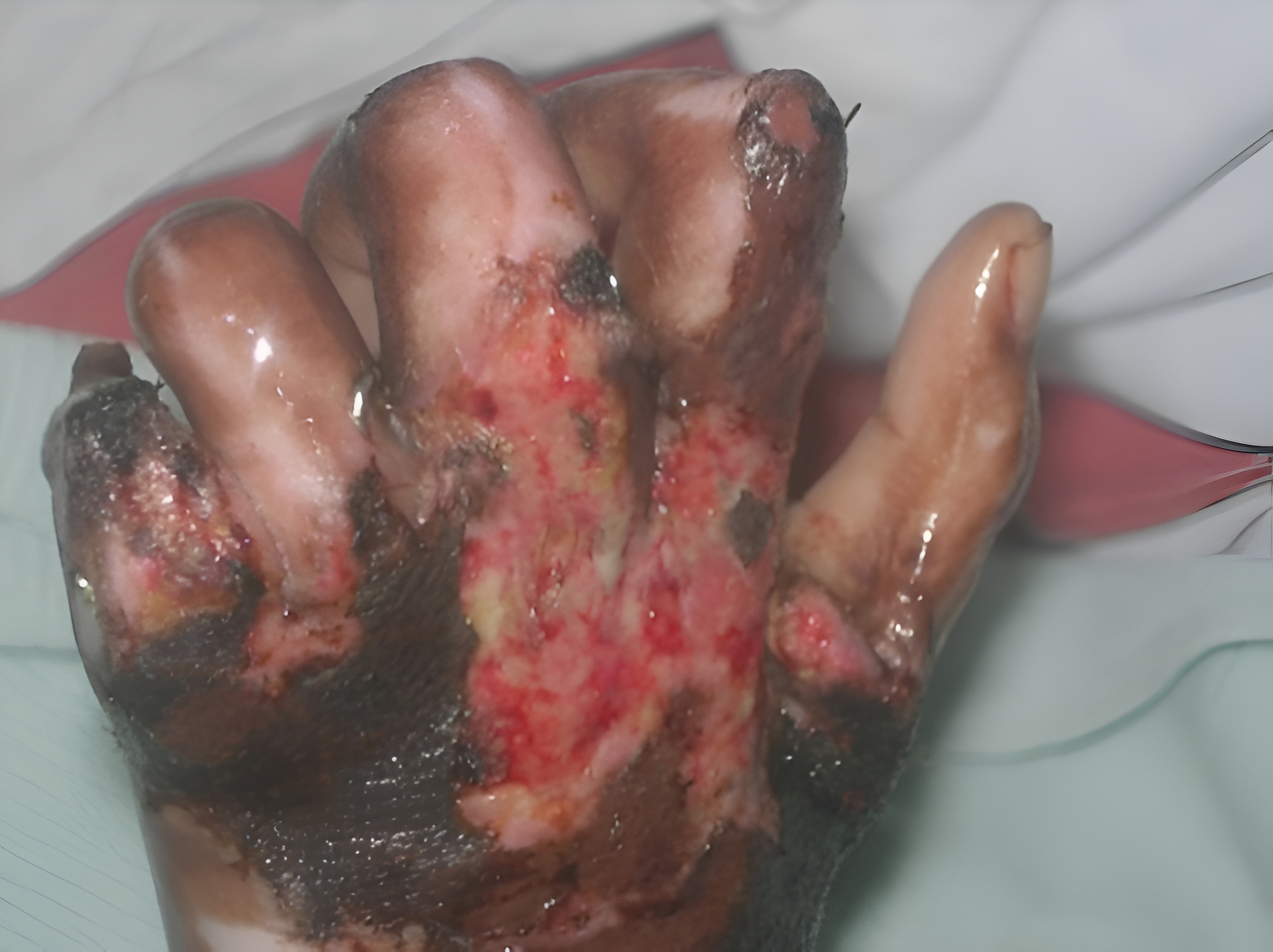
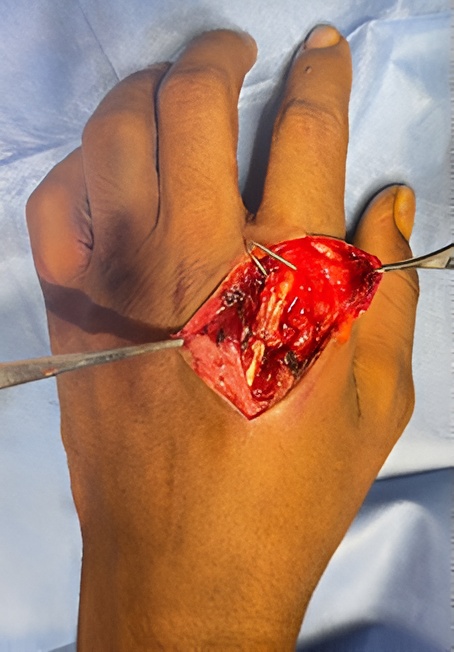
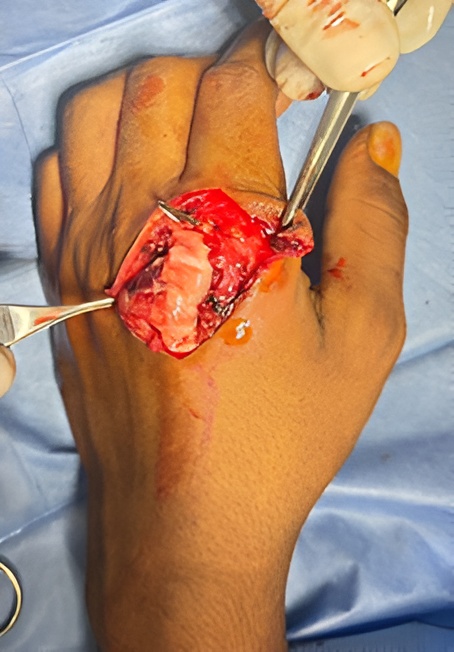
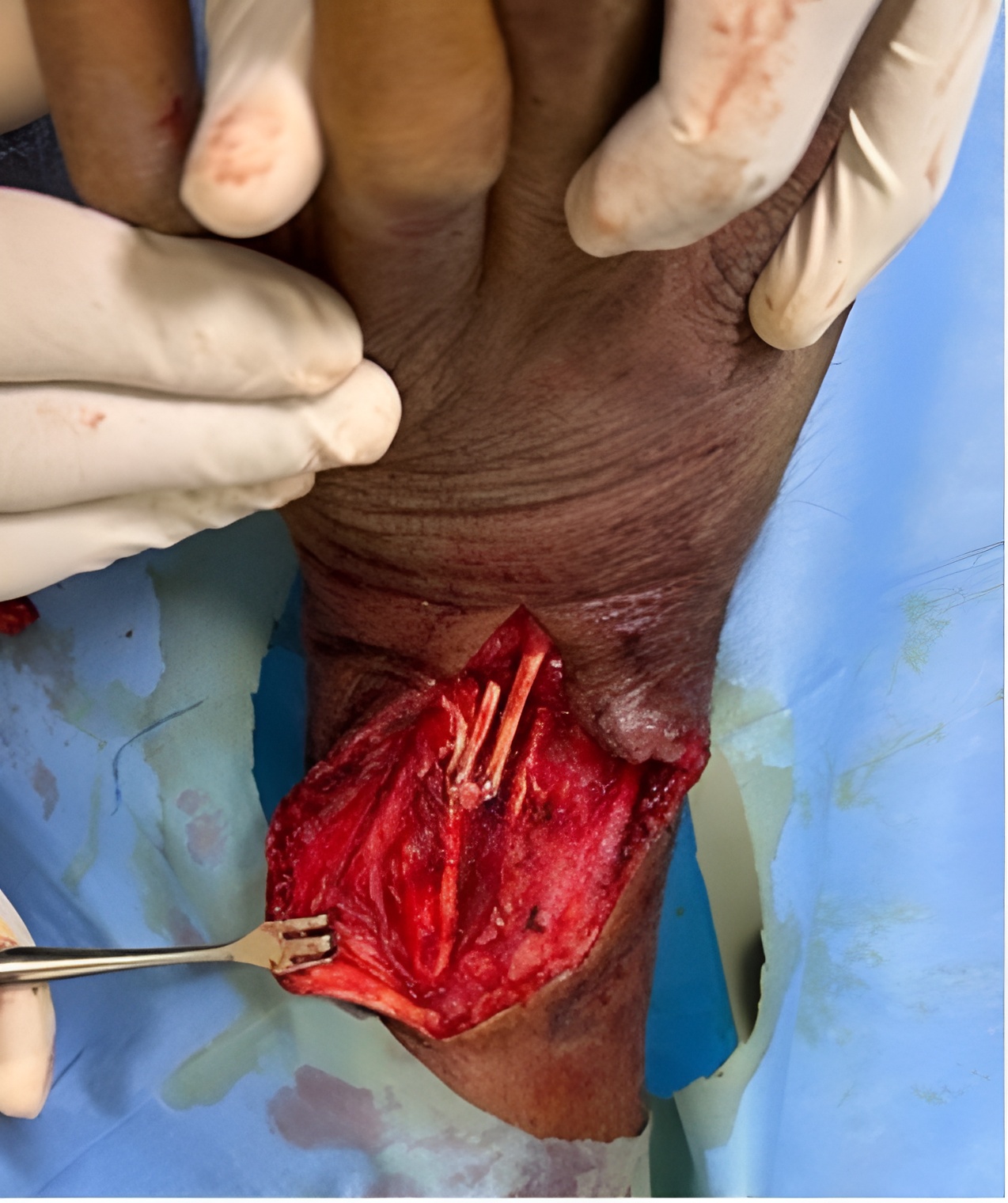
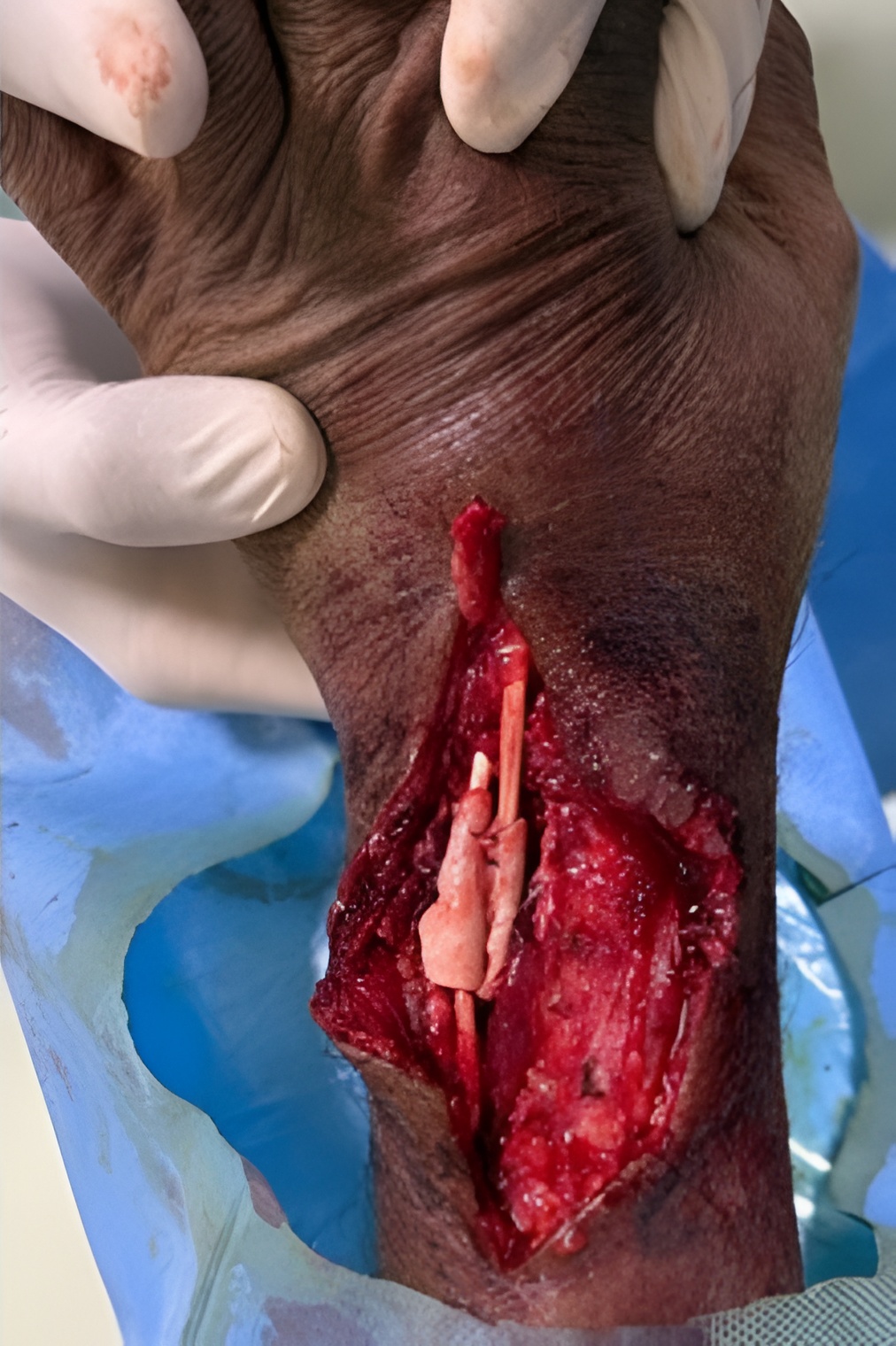
Surgicoll-Mesh® can be used in reinforcing gastrointestinal anastomosis. This product fulfils the clinical requirement for offering essential physical support. As the product gradually degrades over time, it prompts the growth of new tissue, thereby enhancing the strength of the treated area.
This application is particularly valuable following bowel resection procedures where end-to-end reattachment requires additional mechanical support during the healing phase, reducing the risk of anastomotic leakage and associated complications.

Review or download comprehensive specifications, product literature, and peer-reviewed publications.
Choose from our wide range of standard sizes (in cm). Custom sizes available on request.