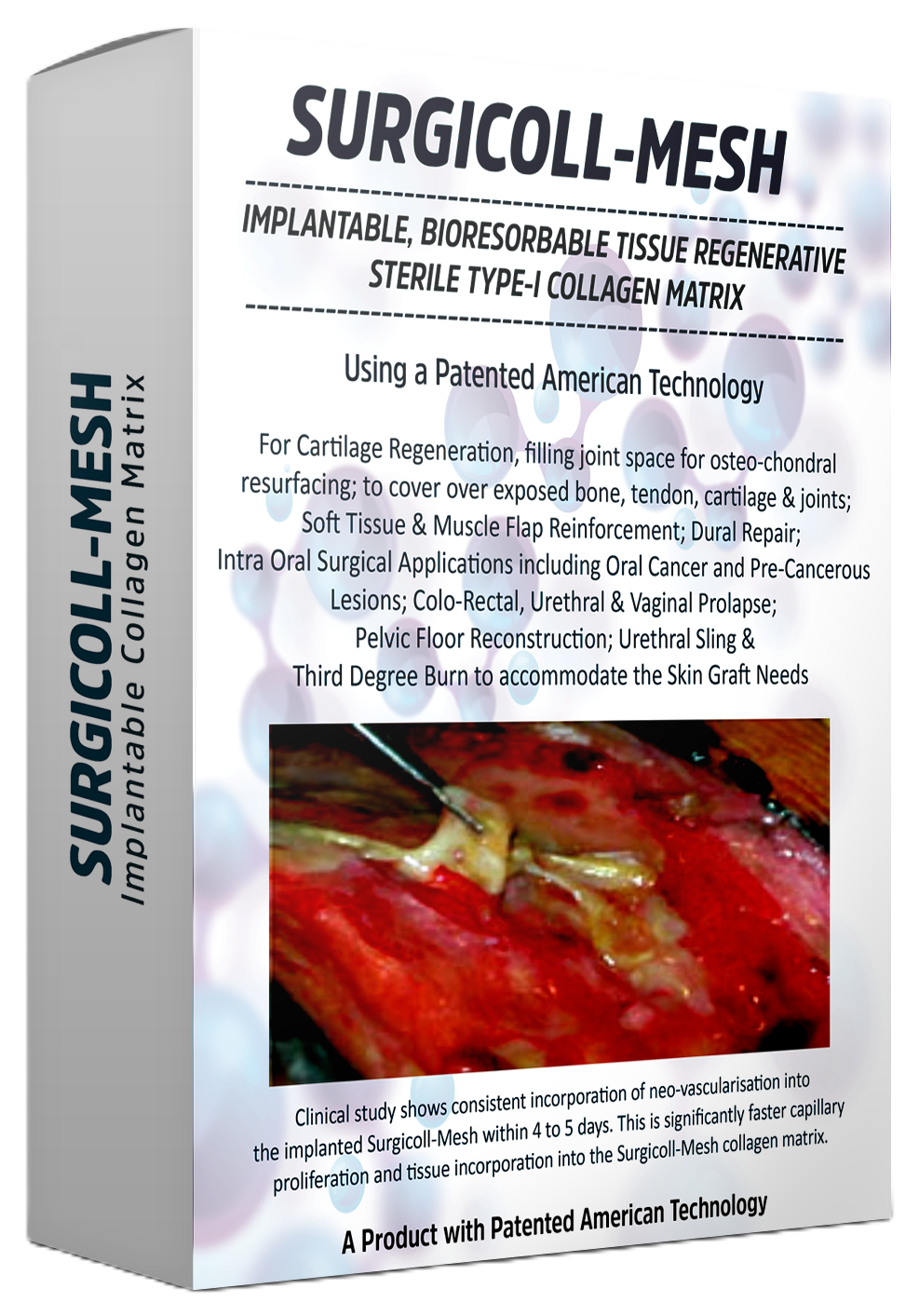
Surgicoll-Mesh®
Podiatric Surgery
Implantable, bioresorbable, tissue regenerative sterile Type-I Collagen Acellular Dermal Matrix designed for chronic wounds, diabetic ulcers, venous ulcers, pressure ulcers, trauma and surgical wounds.
Podiatric Surgery
Implantable, bioresorbable, tissue regenerative sterile Type-I Collagen Acellular Dermal Matrix designed for chronic wounds, diabetic ulcers, venous ulcers, pressure ulcers, trauma and surgical wounds.
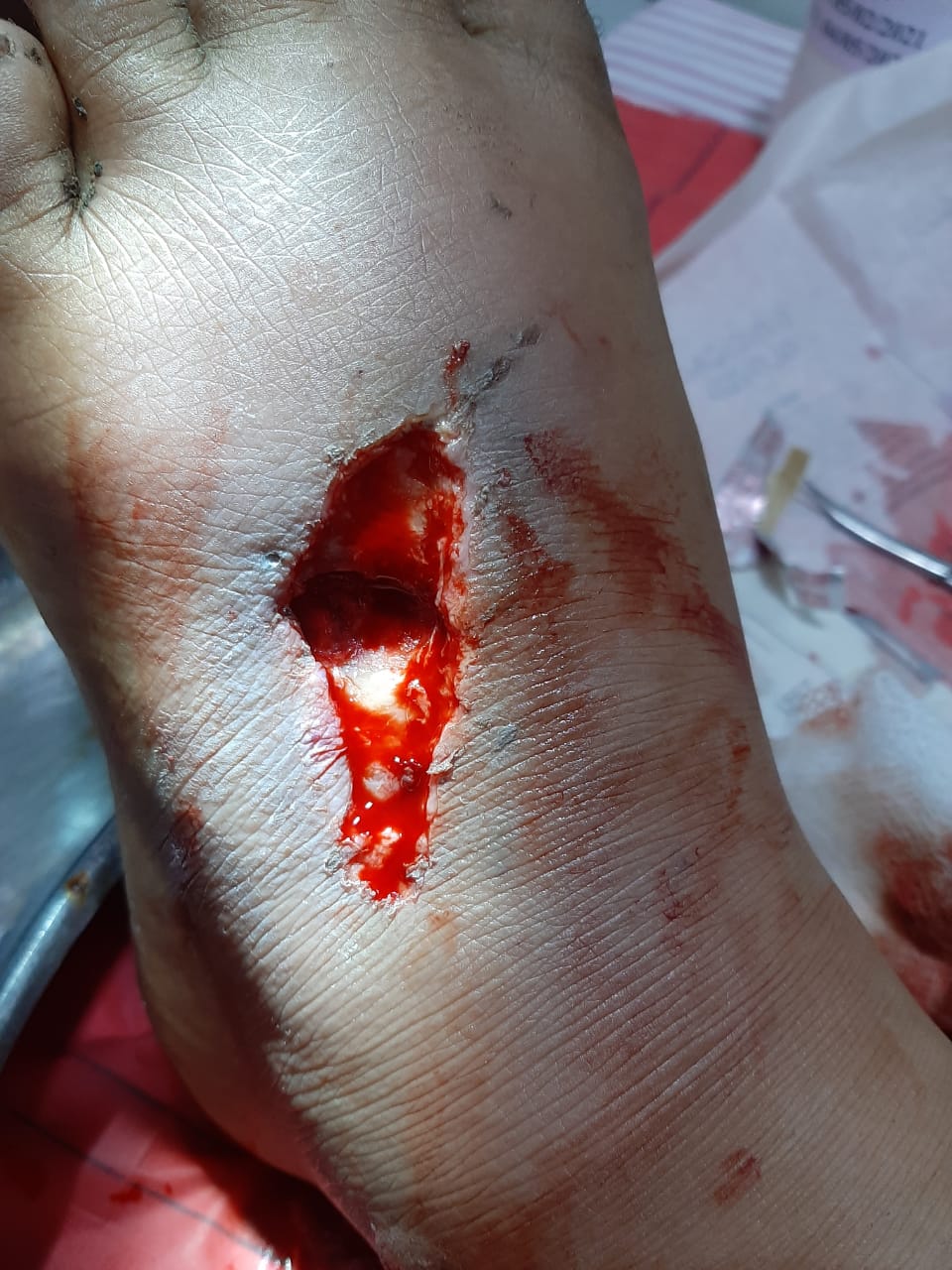
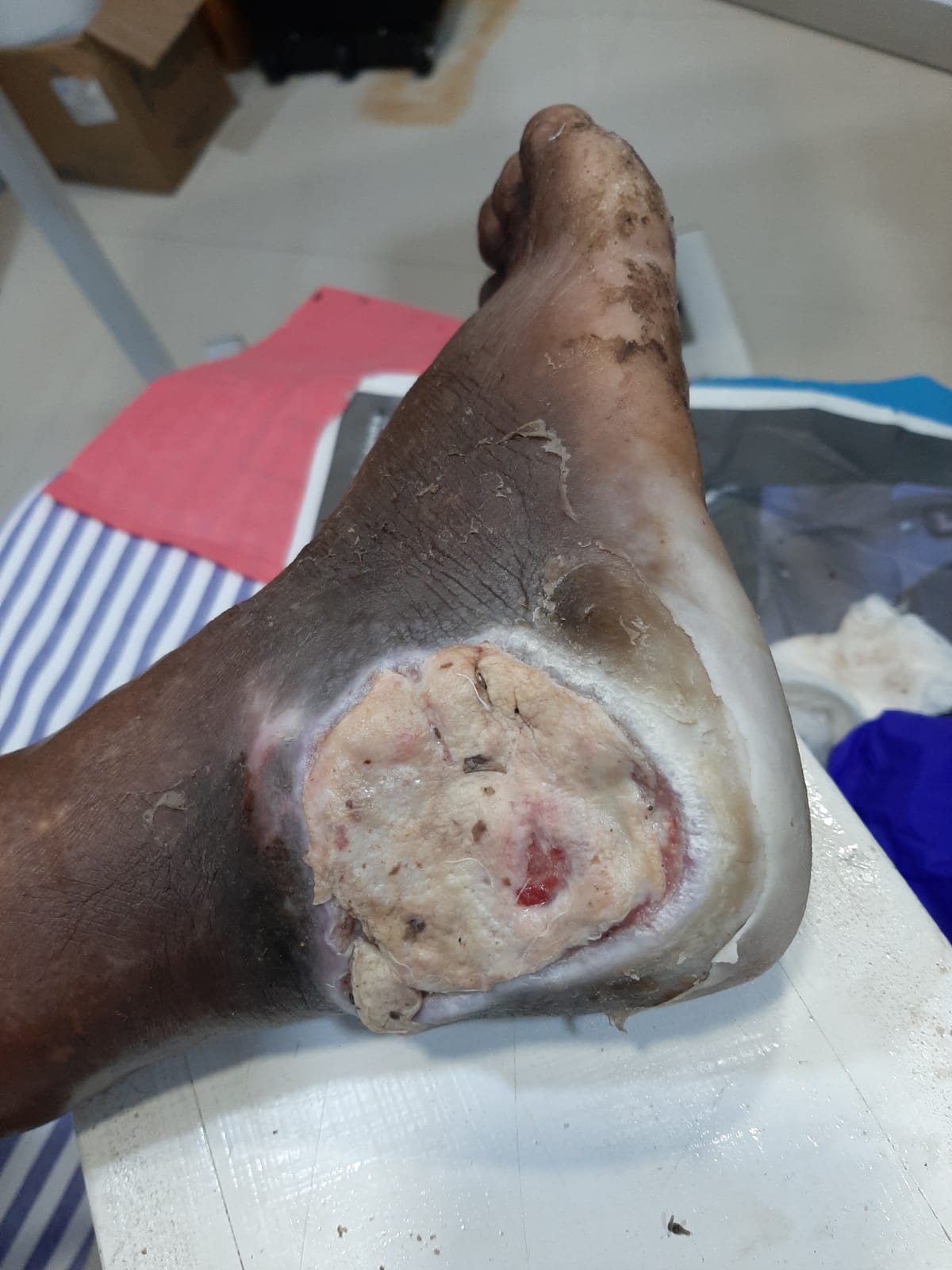
Before Treatment
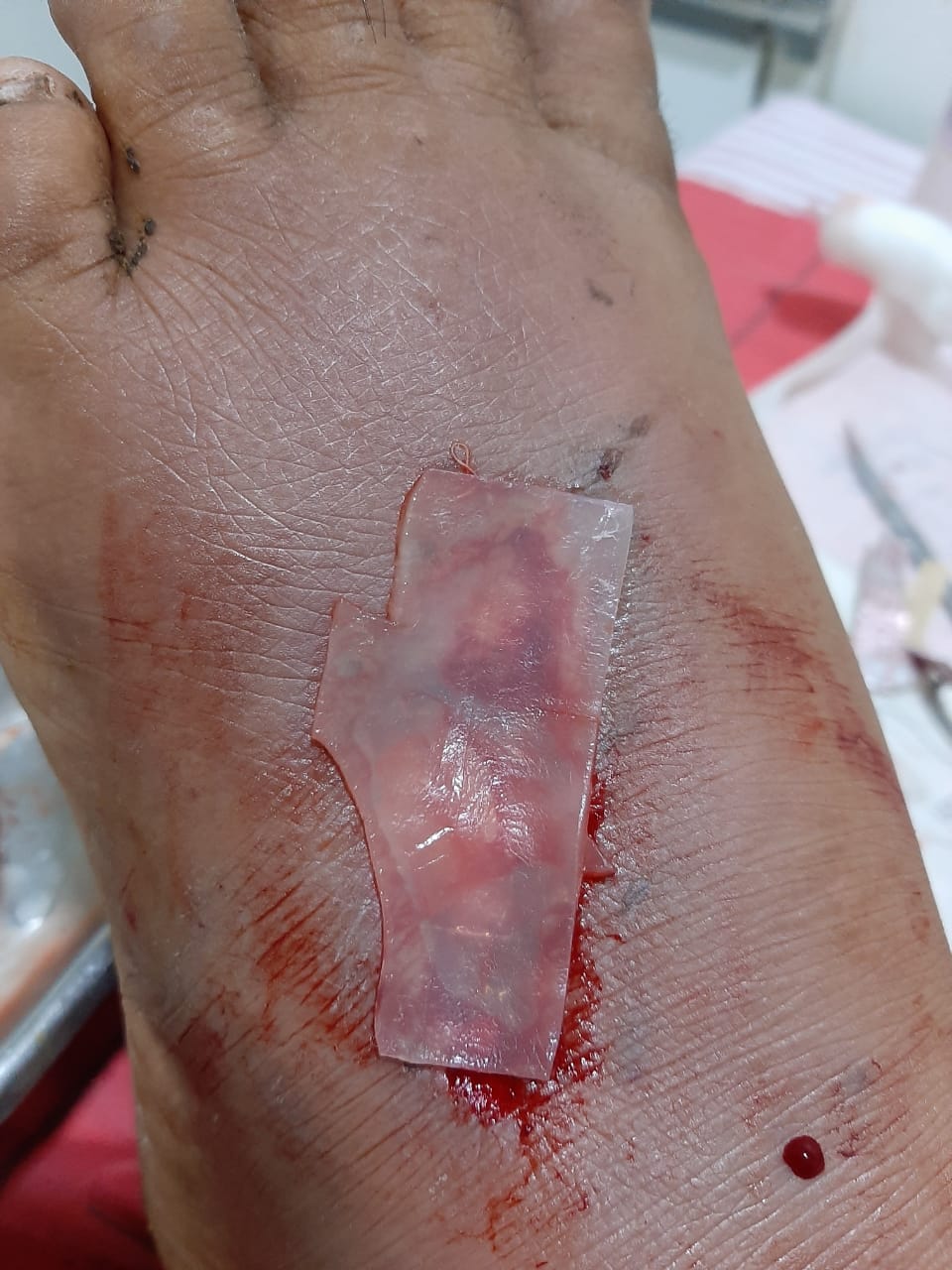
Placement of Surgicoll-Mesh®
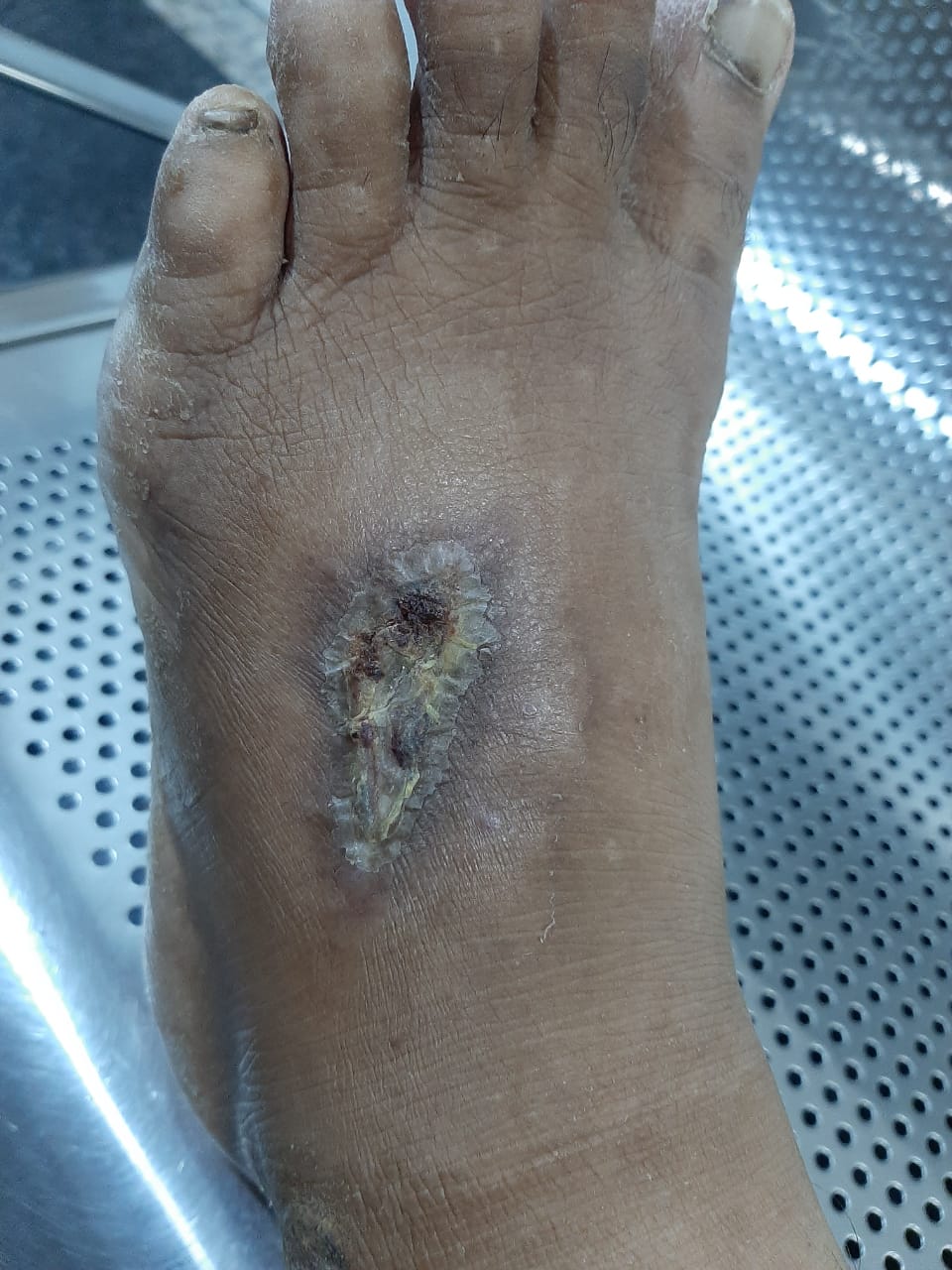
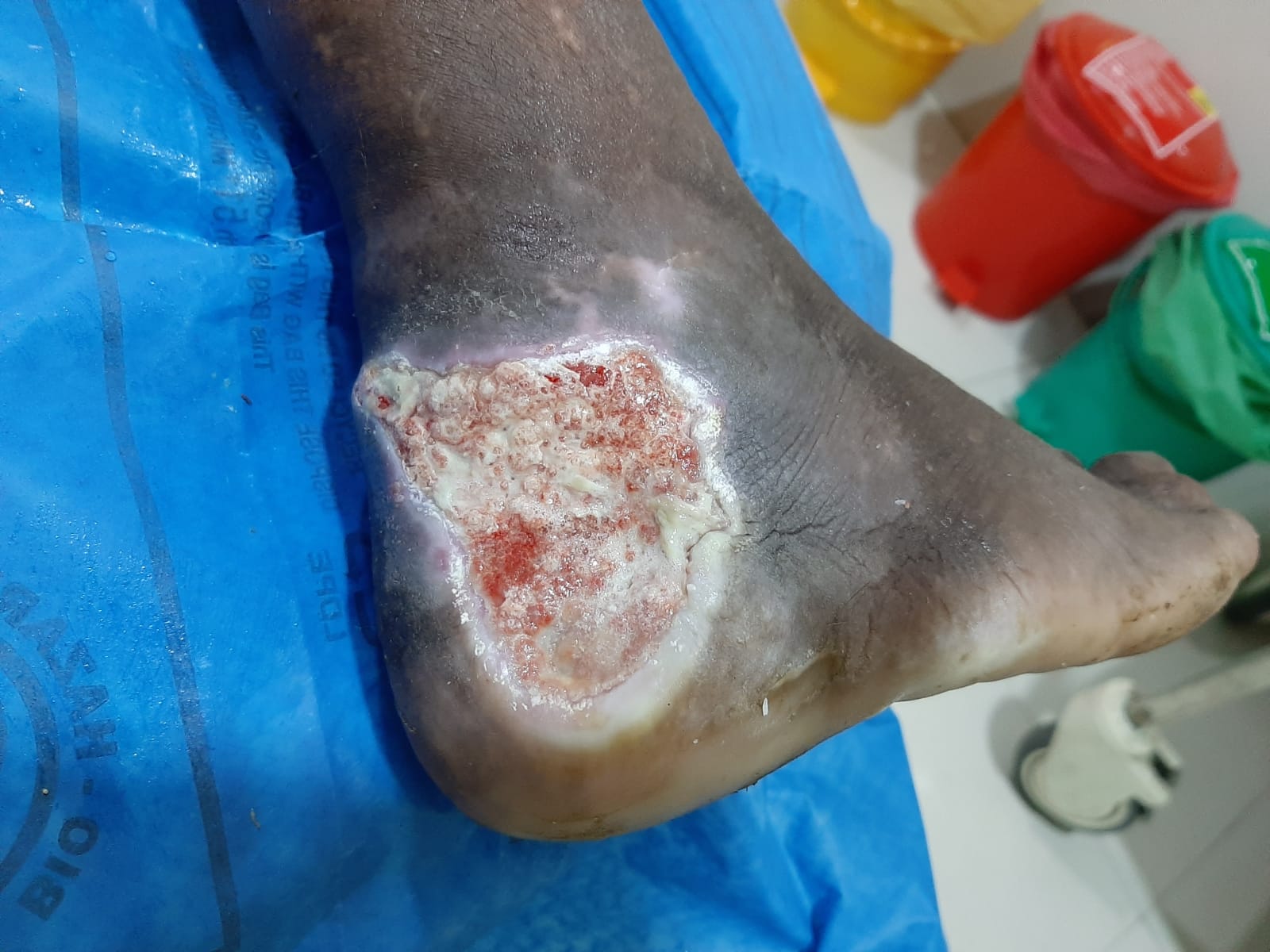
Healed Wound - Day 30
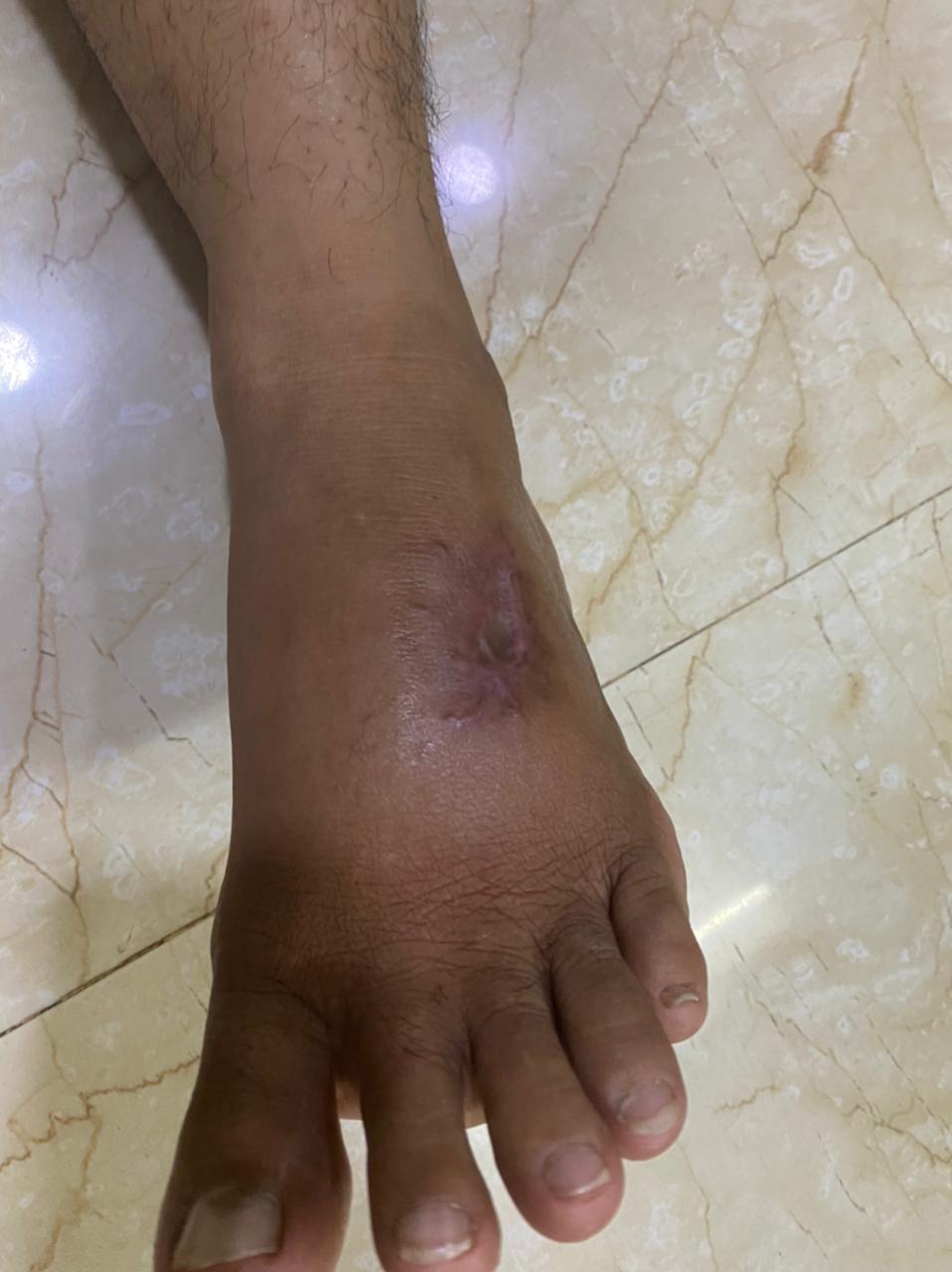
Completely Healed Ulcer
Day 45
Courtesy of Dr. Dhanikachalam, MCh, Plastic Surgeon Chennai National Hospital
Surgicoll-Mesh® offers an innovative nanotechnological approach for the faster healing of Diabetic Foot Ulcers.
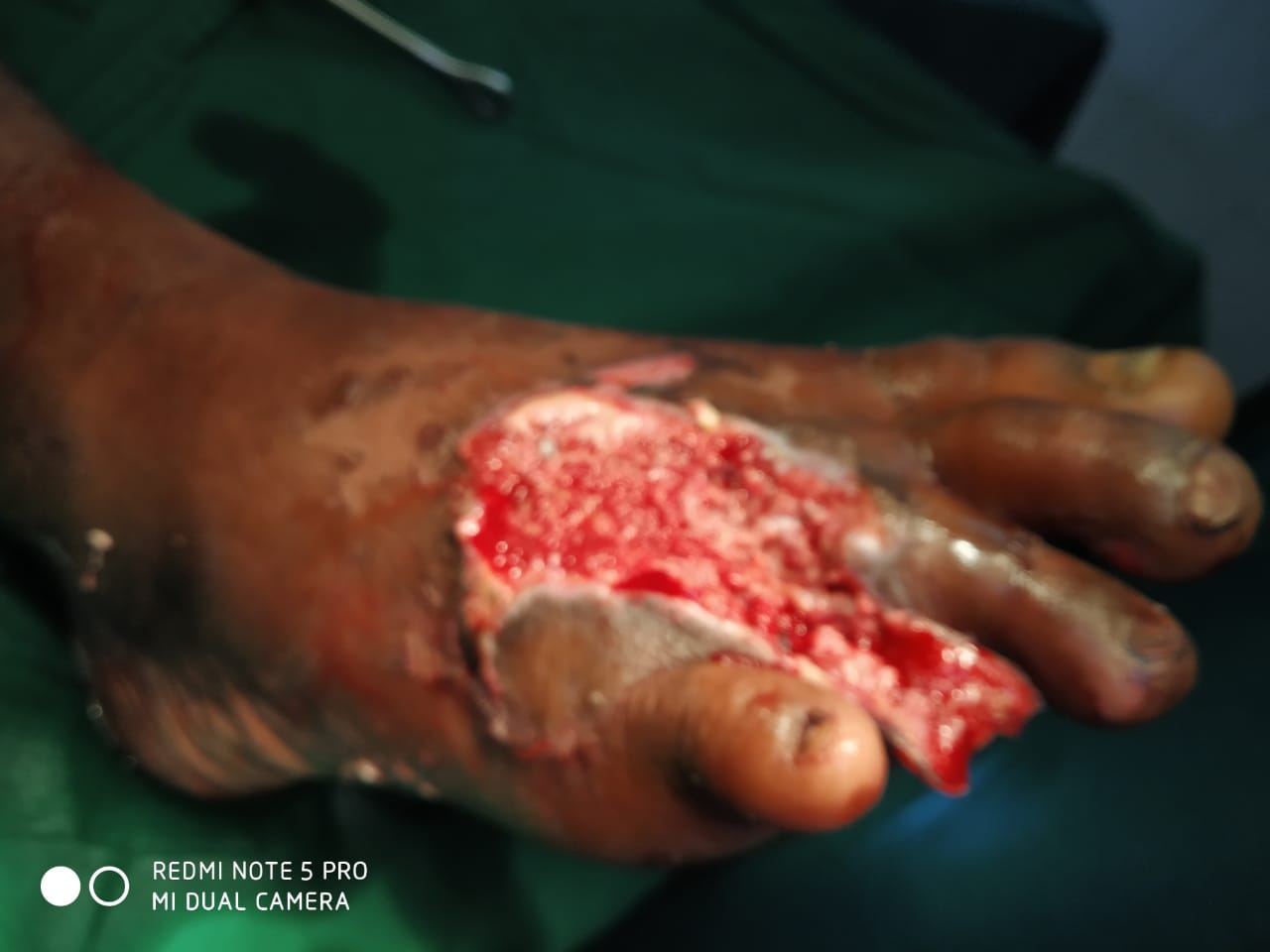
Post-traumatic chronic ulcer with necrotized 4th toe
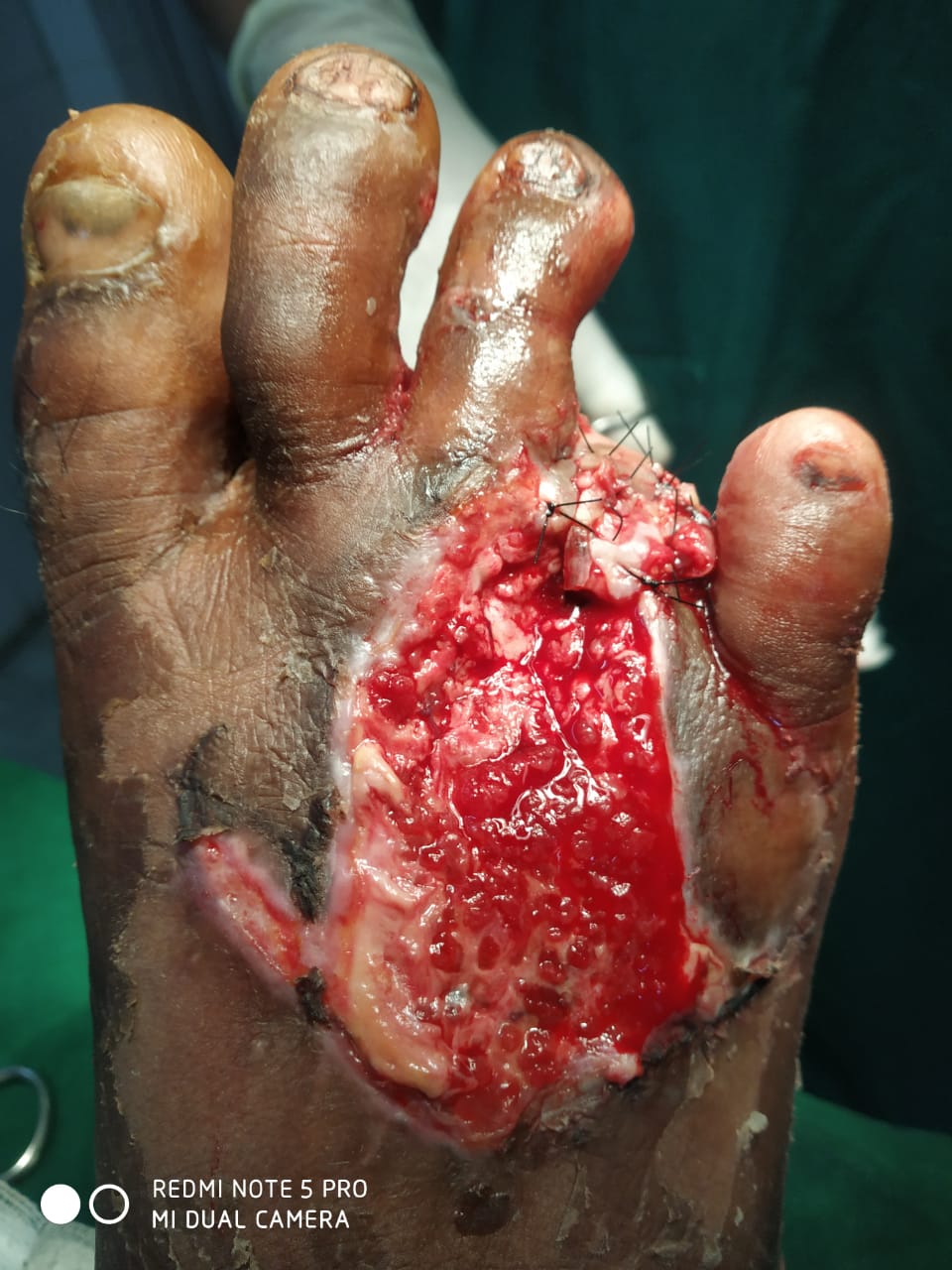
Debrided Wound – Day 0
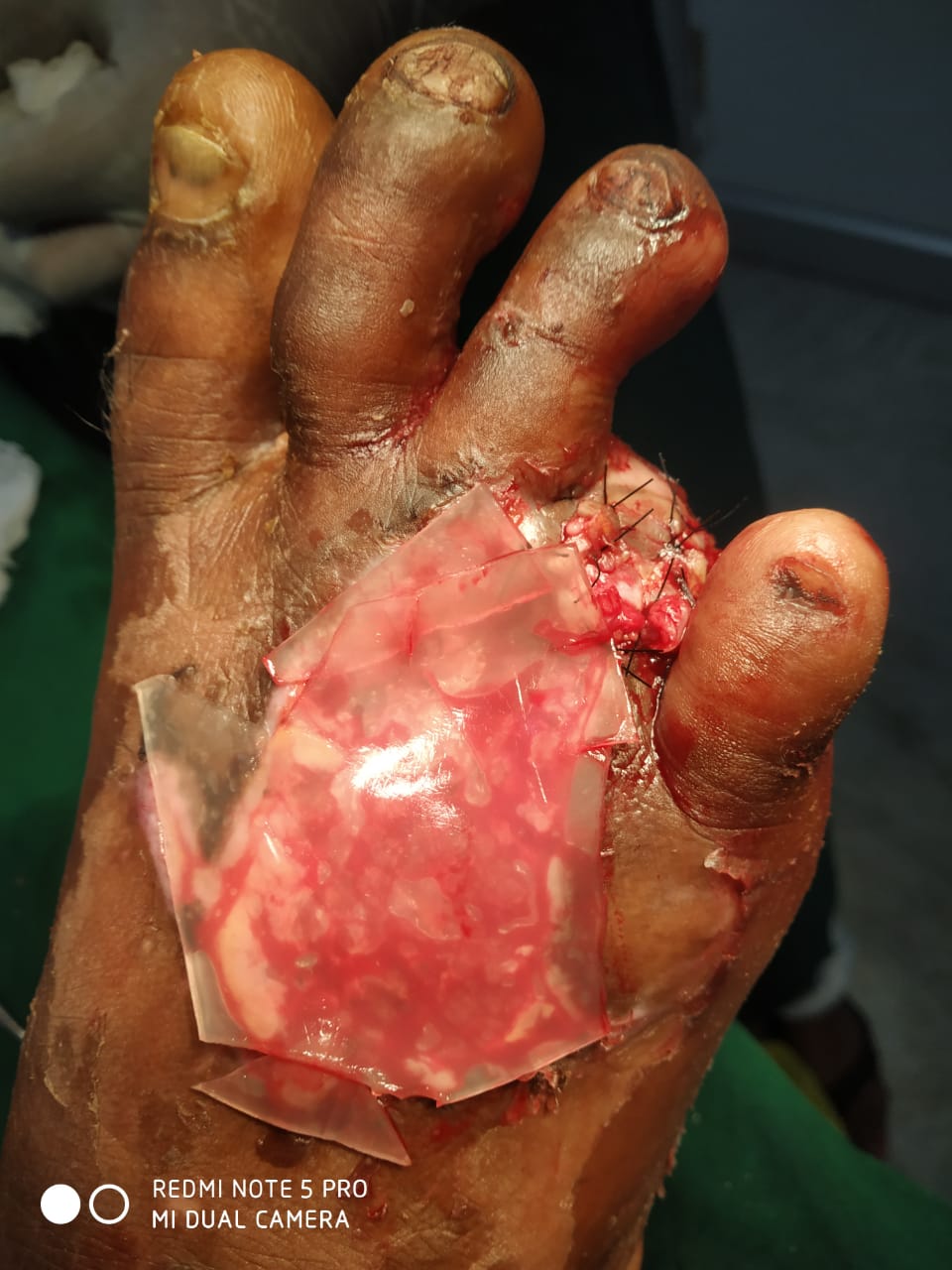
Application of Surgicoll-Mesh®
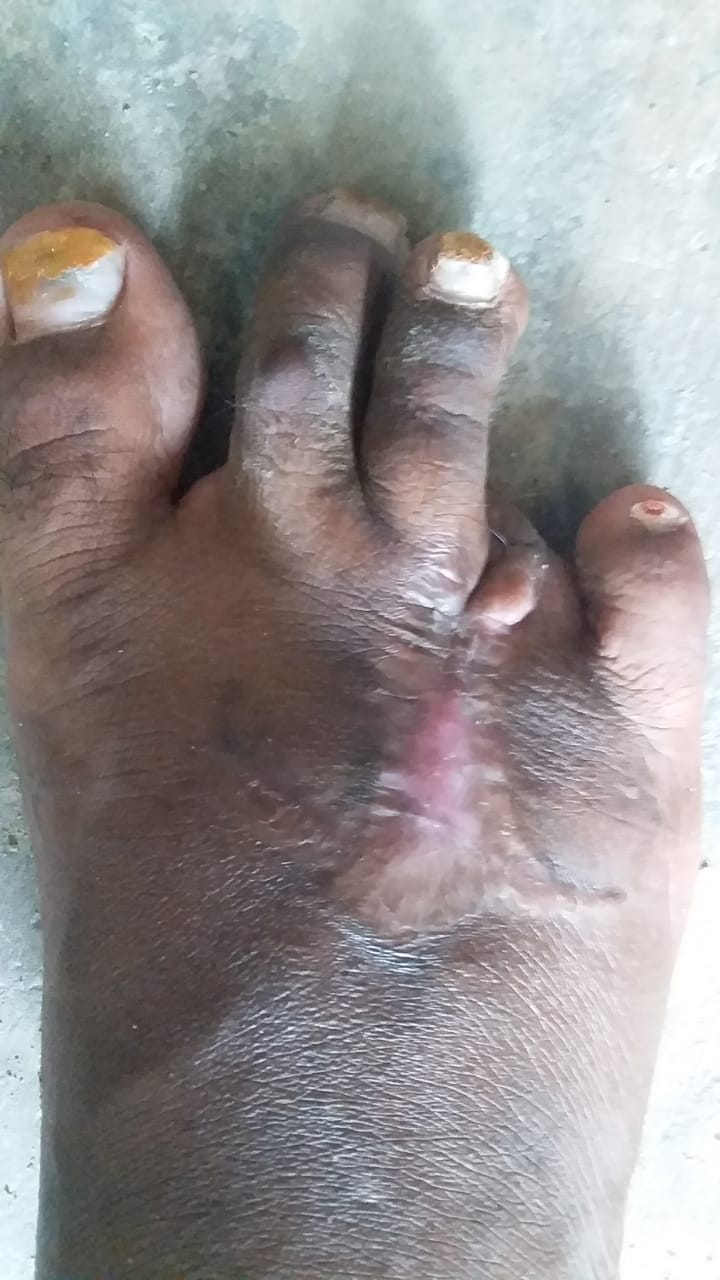
31 Days Post Application
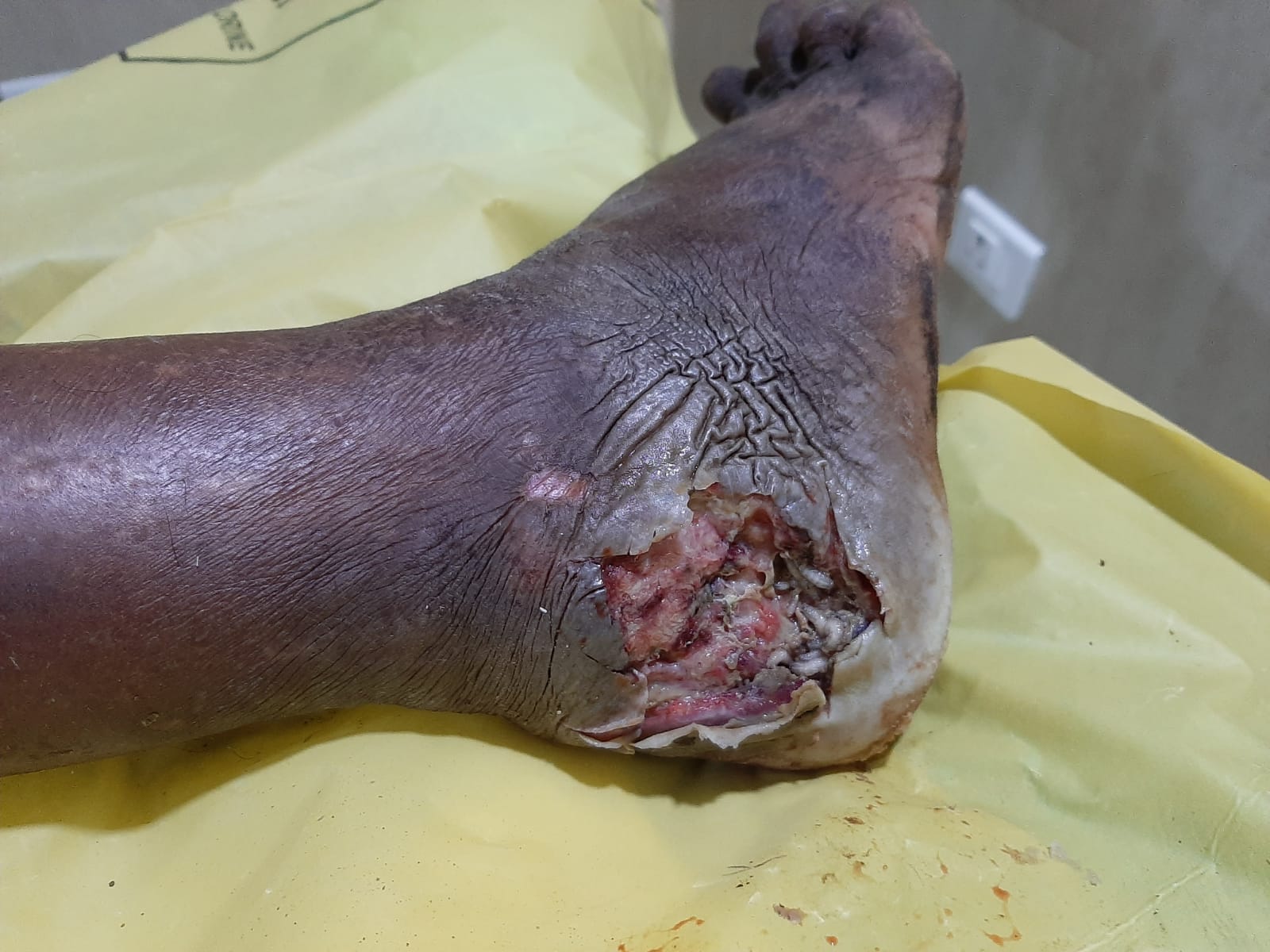
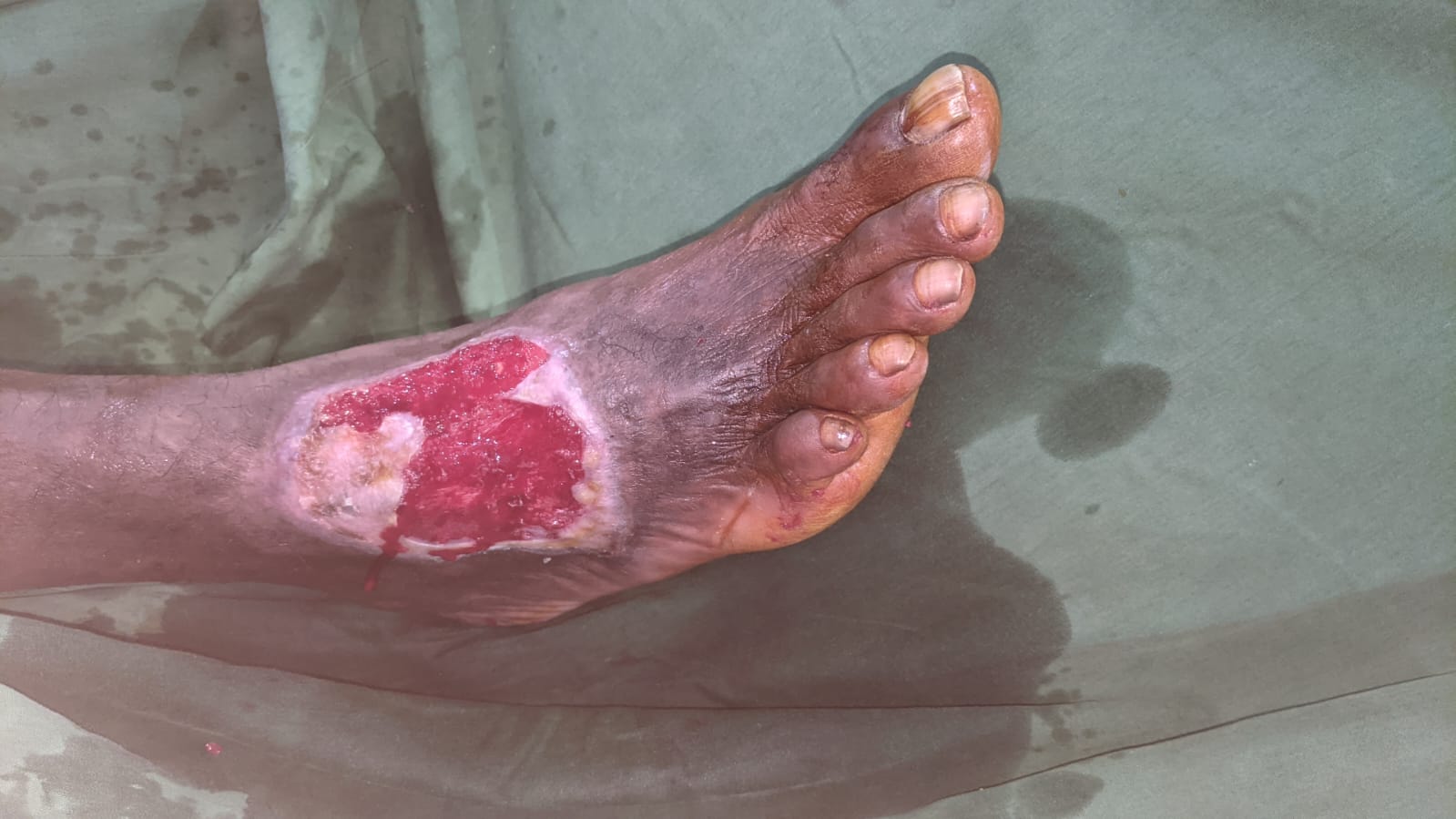
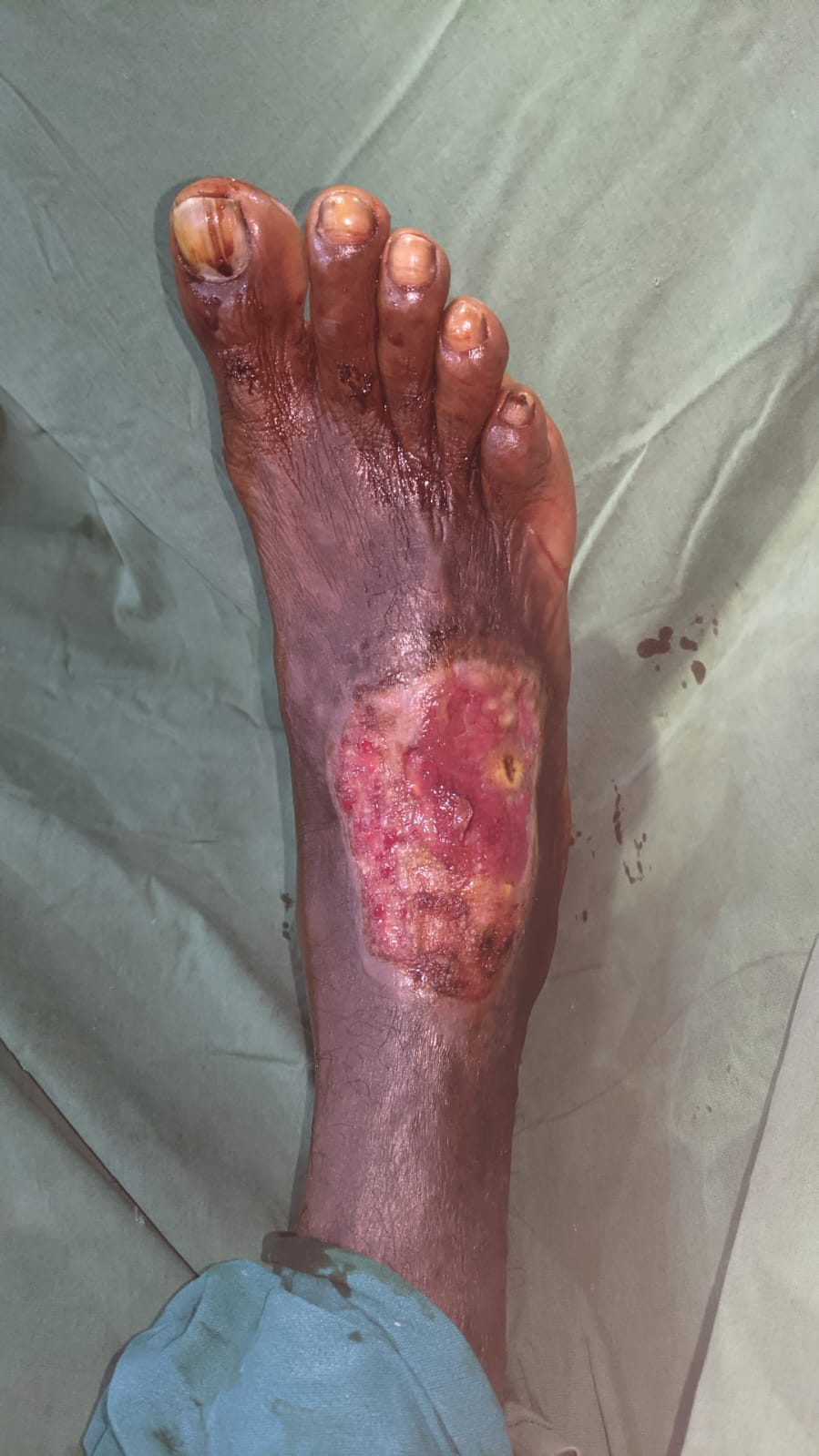
Chronic diabetic ulcer with maggots – 75 yrs. old pt
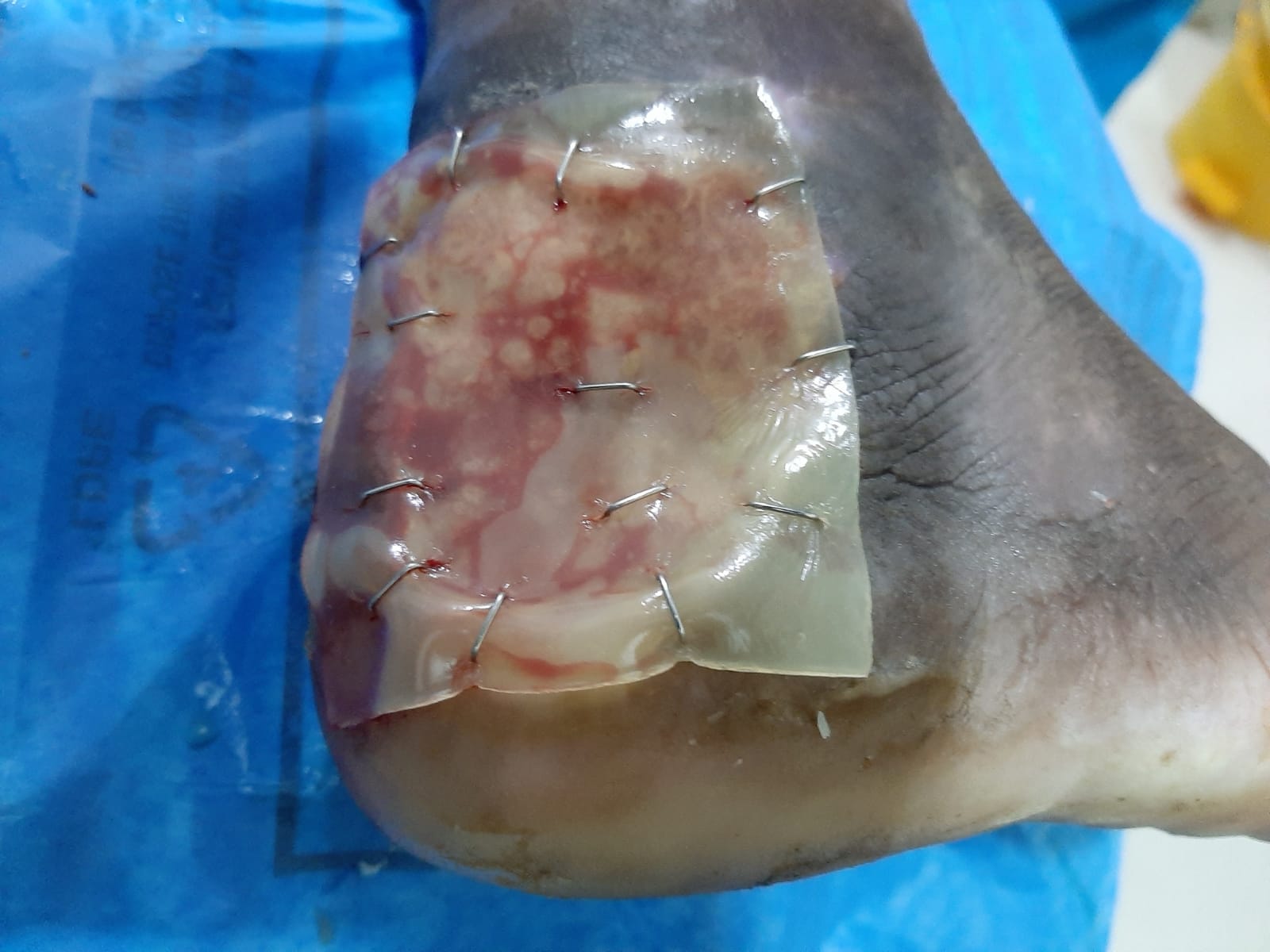
Surgicoll-Mesh® Application following debridement
5 Days Post Application
Healed ulcer - Day 30
Initial ulcer presentation
Early wound healing - Day 5
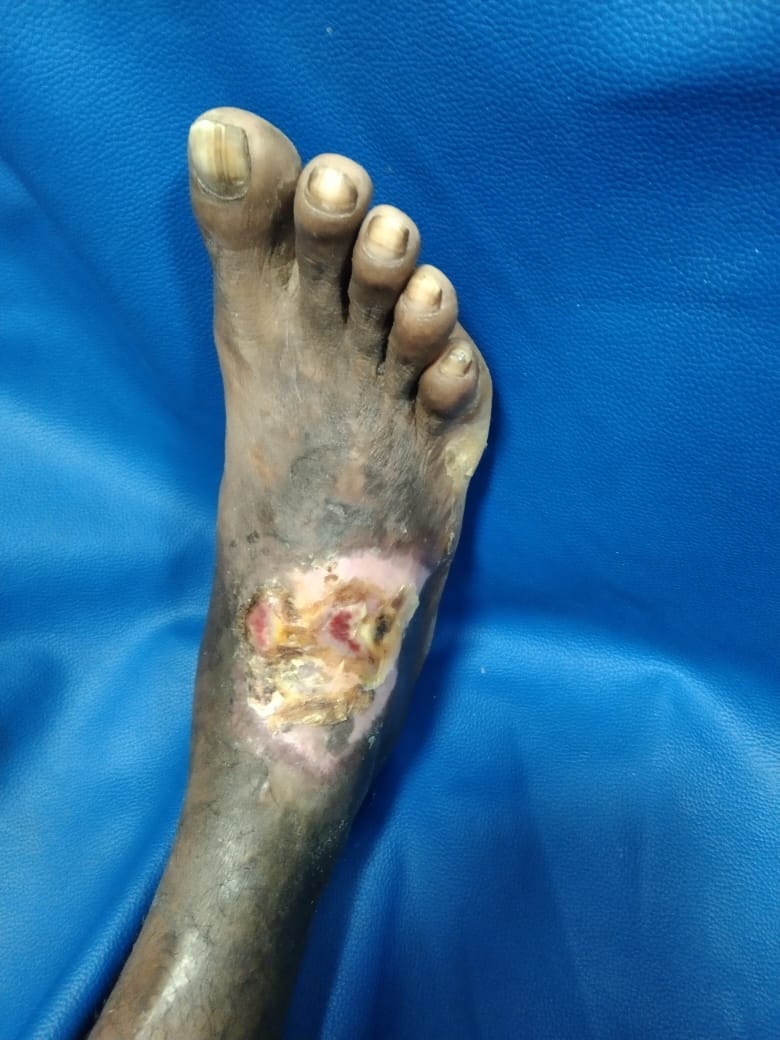
Progressive wound closure - Day 14
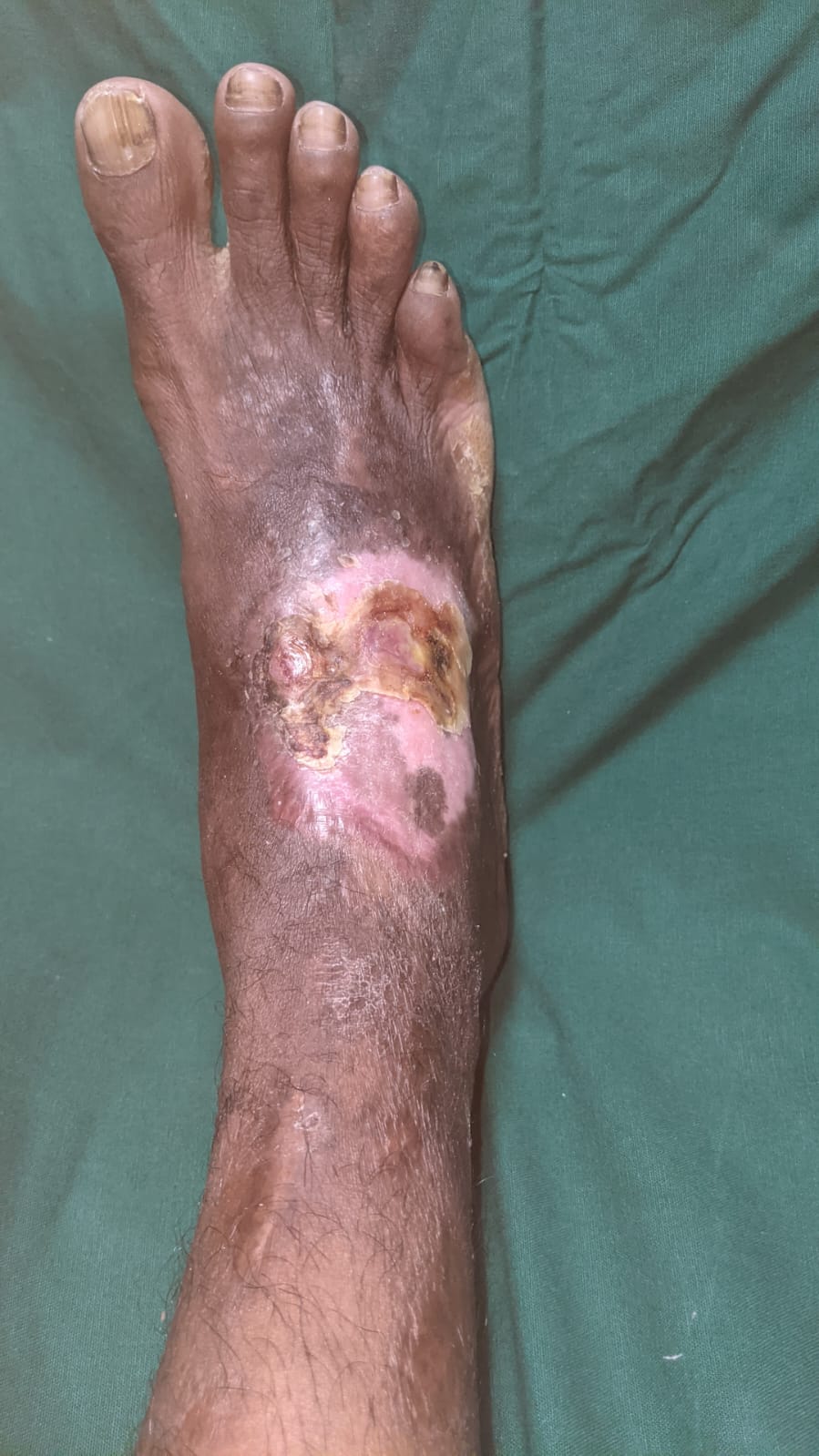
Complete wound healing - Day 21
Cases 1 to 3 Courtesy of Dr. Dhanikachalam, MCh, Plastic Surgeon Chennai National Hospital
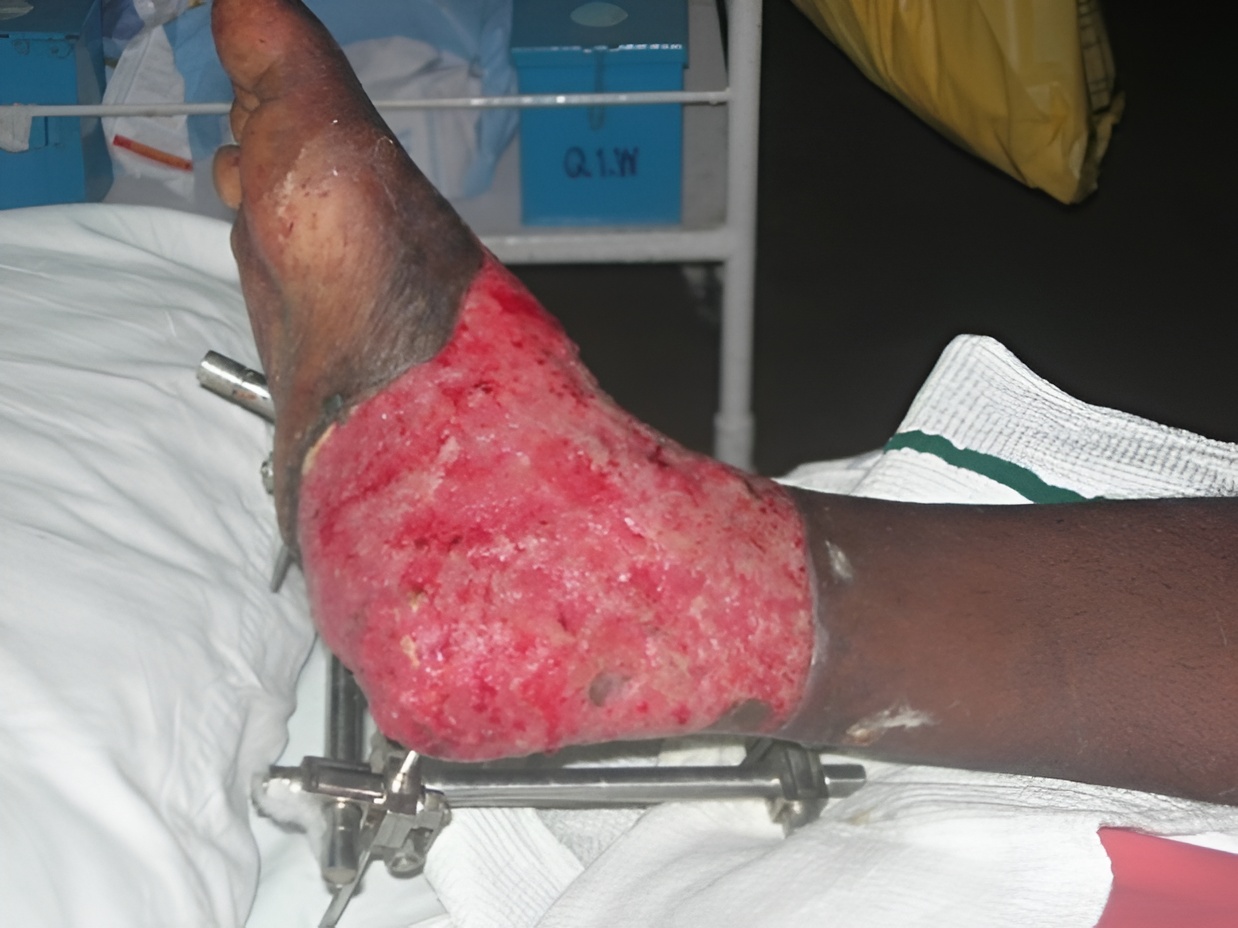
Full loss of initial graft
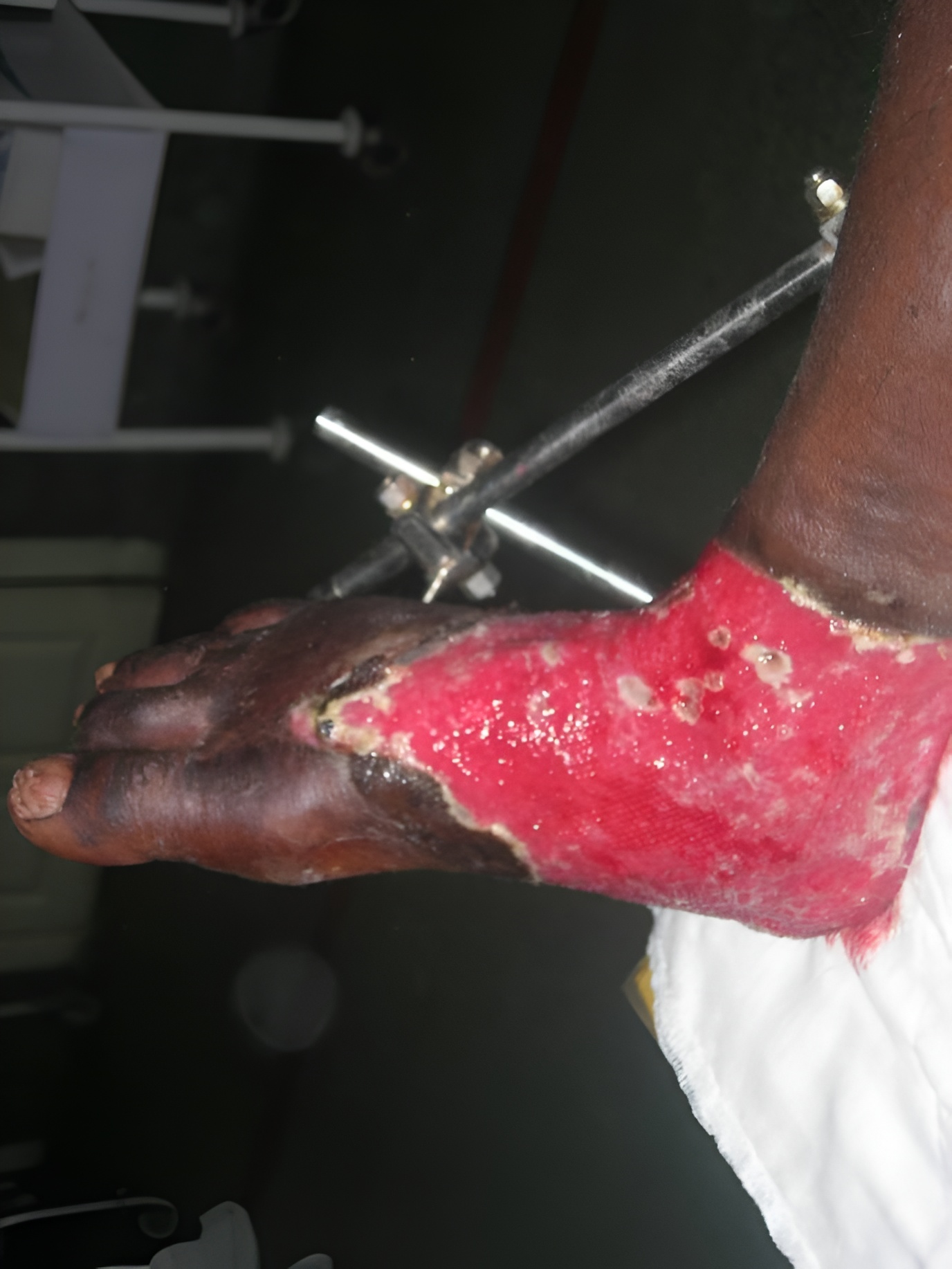
After Surgicoll-Mesh® application
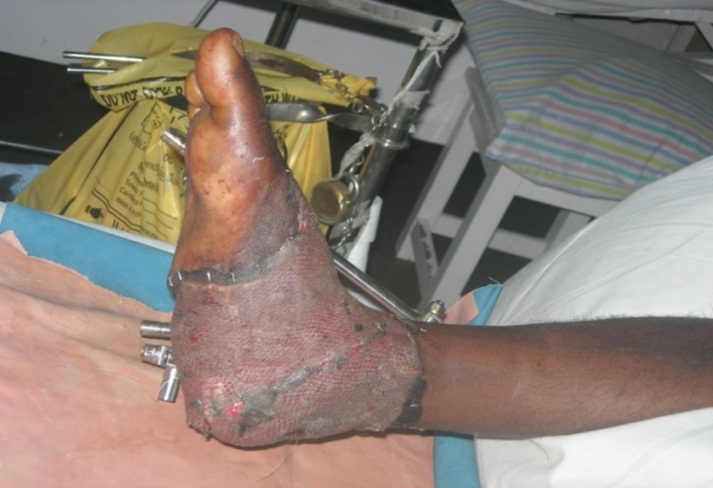
Upon graft application on Day 9, by Day 21 shows 100% graft take
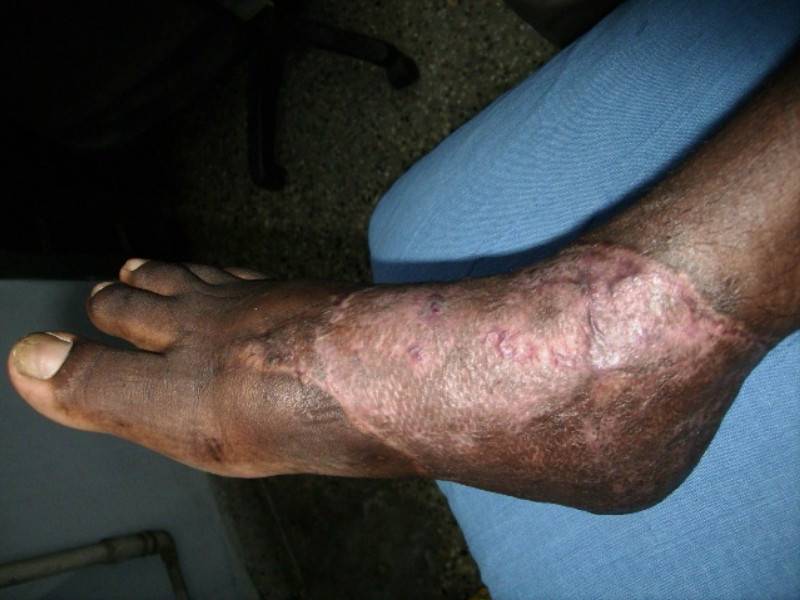
Stable & pliable graft at 3 months follow up
Diabetic Foot Ulcers (DFUs) are a major healthcare challenge due to their chronic nature, high recurrence rate, and the substantial morbidity they impose. Effective treatment remains limited, which underscores the need for advanced wound care approaches such as High Purity Type-I Collagen-based Acellular Dermal Matrix, Surgicoll-Mesh®.
Damage to the nerve by increased level of glucose in blood may result in loss of sensation and the inability to feel any pain or pressure.
High blood glucose levels thicken the arteries and narrow its blood vessels, restricting the delivery of the blood and oxygen needed to support the body's natural healing abilities.
Suppressed immune system may facilitate pathogen proliferation eventually leading to an infection like non-healing diabetic ulcer.
Diabetes may suppress the immune system that could impair the body's ability to fight-off an infection.
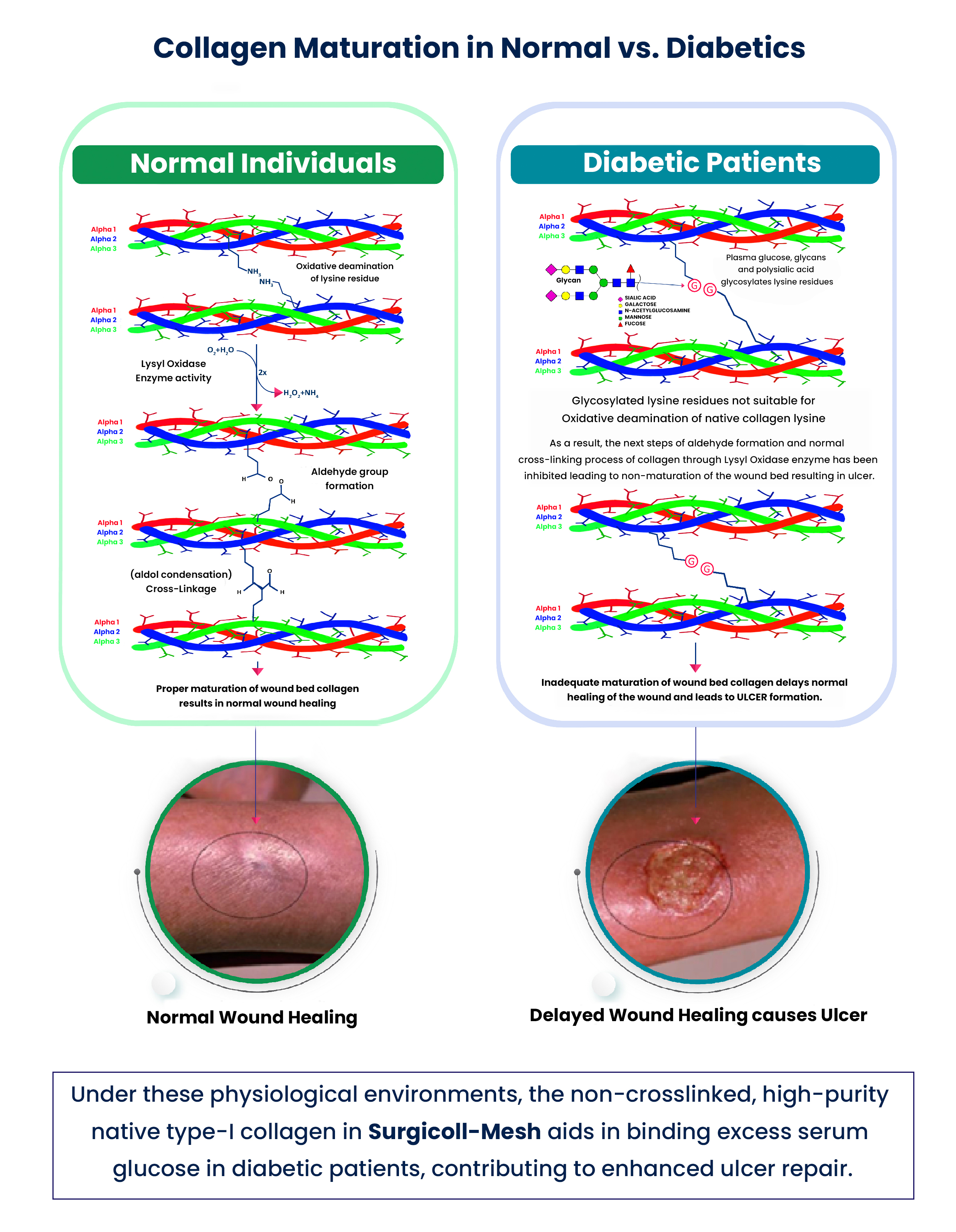
In hyperglycemic patients, Glycosylation of the newly formed wound bed Collagen hinders the normal enzymatic (lysyl oxidase) maturation leading to non-healing. The hyperglycemic glucose may be absorbed by Surgicoll-Mesh® for faster healing of the ulcer wound.
Normal materials that are used to cover an ulcer:
These materials can protect the wound by acting as a wound covering and may also absorb wound exudate. However, when non-biological scaffold materials are used, the cells involved in the wound-healing process may not interact optimally with these materials.
Consequently, this may unnecessarily delay the wound-healing process, as exudation may continue until the cells adapt to and become comfortable with their surrounding environment.
On the other hand, biological products such as Surgicoll-Mesh® may provide better outcomes. However, it is important to note that not all biological materials are the same. An advanced biological acellular dermal matrix such as Surgicoll-Mesh® is designed to support the wound environment without disturbing the cells on the wound surface that are actively involved in the tissue-granulation process.

Uncross-linked biocompatible Collagen tightly applied over the wound surface.
The Collagen matrix osmotically pulls excess glucose from the hyperglycaemic wound bed.
With less glucose, newly formed Collagen fibrils avoid glycosylation and can be matured by lysyl oxidase.
Matured cross-linked Collagen enables the diabetic wound to heal mirroring normal wound repair.
Choose from our wide range of standard sizes (in cm). Custom sizes available on request.